-
TV Unwrapped: 2025

You might remember around this time last year, I posted a long list of 2024’s top fifty television programmes. Except, of course, not in any order of quality, everyone else is doing that. I listed them by quantity. Basically, which television programmes were broadcast most frequently throughout the year. I mean, quality like Celebrity Traitors is all very well and good, but you’ve got 24-hour schedules to fill.
Sorry, guys. Last year’s list was hugely popular, being the most-read post on this blog over the last twelve months. (Granted, it being the only thing I’ve posted on this blog in the last twelve months may also be a factor.) But anyway, I’ve gone and done it again. Which shows have been thrown on most-frequently by the main free-to-air broadcasters throughout 2025? Let’s take a look!
As with last year’s list, there are a few rules. I’m not including news, weather, teleshopping, Unwind with ITV, overnight gambling filler or pseudo-programmes like FYI Daily that purely exist to exploit ad-minutes-per-hour loopholes. I’m only looking at the main entertainment channels that are (a) available on Freeview and (b) could be considered to have at least a half-decent budget (so, BBC One, BBC Two, BBC Three, BBC Four, ITV1, ITV2, ITV3, ITV4, C4, E4, More4 and Five). Oh, and this year I’ve managed to include EastEnders, which fell off the list last year.
There may very well be some omissions that have slipped through my datanet, but hopefully barely any.
But first, here’s a quiz! By my calculations there were a total of nine films that have been broadcast on four of the mainline TV channels in 2025. But what are they? See if you can work it out. I’ve given you the year each film was released, the number of characters in each title, and the number of times each film was broadcast on each channel.

Answers at the bottom of the list. Here’s the rundown!
–

50. Two Pints of Lager and a Packet of Crisps, 334 times
BBC3
Last Year: 47th, 320 timesRepeat runs of Susan Nickson’s noughties sitcom show no sign of stopping, having become a bit of a mascot for BBC Three. Which is quite an achievement, given it pre-dates the channel itself by two years. Personally, I can’t help but wonder if Generation Z only view the series as a historical piece, it being their very own equivalent of the mid-80s BBC1 repeats of Hancock’s Half Hour.
49. Homes Under the Hammer, 344 times
BBC1 x 293, BBC2 x 51
Last Year: 45th, 333 timesAs the cost of living continues to outpace rising incomes, there’ll be plenty of fuel for this series where people get forced out of their no-longer-affordable homes, meaning bowtied speculators can snap them up in bargain prices. Erm, hurrah for the invisible hand?
48. Top Gear, 347 times
BBC2 x 21, BBC3 x 326
Last Year: 54th, 291 timesThe original series might be dead (or at least sleeping very heavily), but the repeats shall live on forever. A cursory search of the episode descriptions for the year returns 27 matches for “Matt LeBlanc”, but 145 for “Jeremy Clarkson”. And zero for the late Quentin Wilson. For shame.
47. The Adventures of Paddington, 364 times
C5
Last Year: 42nd, 363 timesHow many more beloved celebrities will this behatted angel of death drag to the Pearly Gates before he is stopped?
46. Find It, Fix It, Flog It, 366 times
C4 x 177, More4 x 189
Last Year: 31st, 479 timesNoticed it, ignored it, watched another channel instead more like.
45. Ben & Holly’s Little Kingdom, 369 times
C5
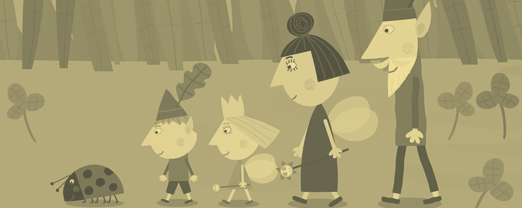
Last Year: 102nd, 185 timesOne of Britain’s most underrated kids shows makes a welcome leap up the chart from last year. So much so, I had to check if some new episodes had been made. Sadly not – the 2013 Christmas two-parter is still the most recently-produced episode – but it means a new generation of kids will get to enjoy routines like “Name?” “The King.” “Occupation?” “King.” “Any previous work experience?” “Being King.” That can only be a good thing.
44. Car S.O.S, 376 times
C4 x 72, More4 x 304
Last Year: 43rd, 362 timesChannel Four’s commitment to outsider art triumphs once again, with this long running series of real-time Dogme95 films exploring the events of stricken motorists on the hard shoulder of the M56 waiting for a breakdown recovery truck to arrive. Obviously, that’s a lie, but the truth – that this is a programme originally made for the National Geographic Channel of all places – should be every bit as strange.
43. Celebrity Catchphrase, 379 times
ITV1 x 71, ITV2 x 308
Last Year: 52nd, 298 timesIt’s six years since the last edition of regular Catchphrase aired, which feels surprising. Since then, it’s pivoted to a Celeb-only format – though that does make for a more interesting programme. Anyway, enjoy it in this format while you can, before the hard-working animators (and really, how many working hours must go into each episode of this?) are all replaced by AI slop bros.
41. Fireman Sam, 383 times
C5
Last Year: 32nd, 477 timesNaughty Norman Price still hasn’t been locked away, then. They probably just let him get away with his crimes because it’s so much fun saying his voice in a Welsh accent.
41. The Royal, 383 times
ITV3
Last Year: 37th, 389 timesNot a surprise for an ITV series to be a bit on the older side of current, but this does seem to be one programmes on heavy rotation on the channel that fewest people remember anything about. It’s like Avatar but with sixties Yorkshire accents.
40. Looney Tunes Cartoons, 395 times
ITV2
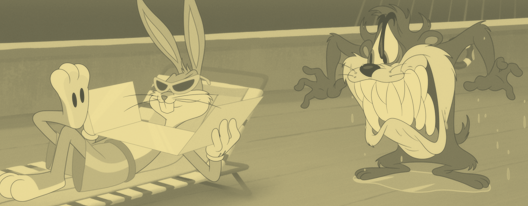
Last Year: 49th, 304 timesThe HBO-funded series that HBO immediately lost interest in at least has an appreciative audience on ITV2. With HBO Max due to launch in the UK in 2026, it remains to be seen if this makes to move to there, or whether nobody involved will notice it, given it’s on at 6.30am on ITV2.
39. Food Unwrapped, 397 times
C4 x 23, More4 x 374
Last Year: 46th, 325 timesShow original Dutch version Keuringsdienst van Waarde, you cowards.
38. Top of the Pops, 399 times
BBC2 x 17, BBC4 x 382
Last Year: 39th, 377 timesThe BBC Four repeats currently wading through the reeds of 1998 does nothing to diminish the power of the channel’s most popular repeat run. TIP: If you ever feel like looking at the Official Charts page for any given week in 1998 to see if there were other, much better songs that could be played on any given week, don’t bother. Whenever I’ve done that, the top forty throughout 1998 does generally seem to be just that bad.
37. Bargain Hunt, 400 times
BBC1 x 318, BBC2 x 82
Last Year: 35th, 405 timesAnother perennial that shows no sign of stopping. Personally, I wish they’d do at least one episode about people (me, I mean me) on a quest through the charity shops of Britain seeking out Network DVD boxsets going for less than two quid.
34. EastEnders, 409 times
BBC1 x 206, BBC2 x 5, BBC3 x 190, BBC4 x 8
Last Year: 44th, 349 timesDue to a calamitous oversight on my part, I didn’t include ‘stEnders in last year’s rundown – the figure above is where it would’ve been – so it’s nice to see where it actually lands this time. Also nice to see it’s now a member of the exclusive club of Programmes Shown On All Four BBC Channels in 2025. There are just three other things broadcast on all four this year. What were they? I’ll tell you at the end of the rundown, along with those four-channel films – one of them is a bit of a surprise.
34. First Dates, 409 times
C4 x 45, E4 x 364
Last Year: 38th, 381 timesA collection of couples eat the edible sweet fruits that grow on phoenix dactylifera trees for the very first time. Not much of a premise, but that’s E4 viewers for you.
34. Midsomer Murders, 409 times
ITV1 x 17, ITV3 x 392
Last Year: 58th, 272 timesThe Middle England Chainsaw Massacre continues unabated. At the time of writing this, there are still six episodes of Midsomer Murders filmed in 2023 that have yet to be broadcast.
33. Dinner Date, 451 times
ITV2
Last Year: Not broadcastA collection of couples eat meals wholly comprised of the edible sweet fruits that grow on phoenix dactylifera trees. The only programme on this list that – as far as I could ascertain – wasn’t broadcast at all in 2024.
[UPDATE: With thanks to Ste Gordon on BlueSky, the appearance of Dinner Date on ITV2 is down to the closure of ITVBe, where it previously aired, meaning it moved to ITV2 this year.]
32. Hollyoaks, 473 times
E4
Last Year: 21st, 690 timesThe move from mainline Channel Four to E4 has done little to stem to flow of episodes emanating out of Chester.
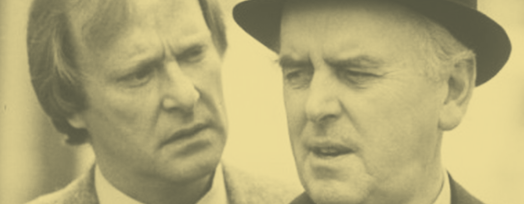
31. Minder, 484 times
ITV4
Last Year: 25th, 592 timesThe timeliness adventures of Arfur and Terry continue to entertain. The non-zero chance of a second attempt at a remake but this time starring Bradley Walsh as Arfur continues to linger.
30. The King of Queens, 487 times
C4
Last Year: 40th, 364 timesThe US sitcoms acting as interim replacements for RI:SE roll into their 57th year on early morning Channel Four.
29. Teen Titans Go!, 491 times
ITV2
Last Year: 22nd, 671 timesThe Justice League’s Under-21 side remain popular, you notice.
28. Friends, 505 times
C5
Last Year: 36th, 404 timesIDEA FOR MISSION DOCUMENTARY: Dave Gorman travels to each household recycling plant in the UK to recover dumped VHS box sets of Friends, then uses them to construct a 1:1 replica of the Central Perk coffee shop. Comedy Central will do it.
27. Everybody Loves Raymond, 594 times
C4
Last Year: 19th, 733 timesOf course, nobody loves Raymond more than the Channel Four schedulers.
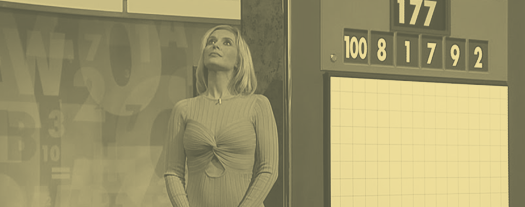
26. Countdown, 600 times
C4
Last Year: 30th, 496 timesIf you ever needed evidence that Countdown is a show that Does Things Properly, the episode counts I’ve just looked up suggest there have been a total of 8,645 editions of the regular series, and just 24 editions of Celebrity Countdown. It’s the anti-Catchphrase! Which makes it even more of a shame I’d never stand a chance of winning an episode of the former.
25. Brooklyn Nine-Nine, 613 times
E4
Last Year: 7th, 1148 timesBrooklyn’s finest provided enjoyable daytime filler for much of the year on E4, despite only appearing once outside of morning or early afternoon slots.
24. The Goldbergs, 629 times
E4
Last Year: 28th, 548 timesDitto The Goldbergs, which appeared most frequently in overnight slots. Hey, it all counts though. As long as it’s not Unwind With ITV, I’m not including screensavers in here.
23. Magnum, P.I., 646 times
ITV4
Last Year: 61st, 266 timesPleasingly, Maggers seems to have been scheduled most frequently in either breakfast slots or after-school slots, heavily suggesting it’s a series much beloved of schoolchildren. The kids are alright, after all.
22. Kojak, 651 times
ITV4
Last Year: 40th, 364 timesWho loves ya, baby? Another ITV4 lynchpin, and another series where I’d love to know the age range demographics for these screenings.
21. Pip & Posy, 696 times
C5
Last Year: 34th, 425 timesChannel Five try to thwart me by having some billings of this using ‘and’, and some using an ampersand. But I’m too wily for them.
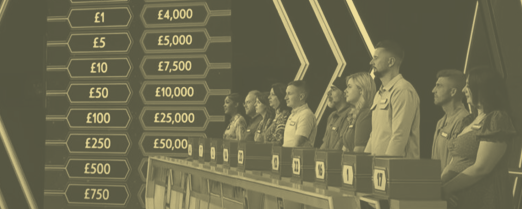
20. Deal or No Deal, 726 times
ITV1 x 158, ITV2 x 568
Last Year: 89th, 228 timesAfter a (relatively) modest launch in 2024, a Mulhern-led Deal or No Deal was back in a Big Way in 2025. Poor Tipping Point, it never stood a chance. That’s at number 104 on the list, if you’re wondering, with a mere 183 airings in 2025.
19. American Dad!, 735 times
ITV2
Last Year: 18th, 747 timesPerhaps not quite as ubiquitous as it had been in previous years, the Smiths are still a handy go to for ITV2.
18. Gogglebox, 761 times
C4 x 141, E4 x 620
Last Year: 20th, 708 timesStill a huge number of people watching people watching telly. In a world where Twitch produces a conveyor beltful of six-figure salary gamers, I really should have predicted this would be a hit.
17. PAW Patrol, 794 times
C5
Last Year: 16th, 831 timesAfter a clutch of ITV4 and E4 shows, how about a refreshing slurp of Milkshake? The continued success of Fireman Sam But With Dogs sees Chase and company zoom into seventeenth place.
16. Young Sheldon, 824 times
E4
Last Year: 17th, 749 timesA surprisingly high placing for the Big Bang spin-off, bolstered by being superglued to the 9am and 9.30am slot on E4’s schedule for much of the year.
15. Family Guy, 876 times
ITV2
Last Year: 12th, 994 timesDespite the adventures of the Griffin family long having gone off the boil – we’re not about to get a South Park-style renaissance any time soon, one suspects – this is probably still the ultimate late night “oh well, there’s nothing else on” option.

14. Classic Emmerdale, 967 times
ITV3
Last Year: 10th, 1000 times13. Classic Coronation Street, 970 times
ITV3
Last Year: 11th, 998 timesClassic-era soaps continue to do business for ITV3 – if you’re wondering, Corrie is up to the Hayley & Roy era, while the ‘Dale is operating in a spell where “Sam decides to tell the police about Eli running the drugs operation” is in an episode summary. Personally, I’m just waiting for the two programmes to get up to the present day so ITV3 can switch to what we all really want, Classic Albion Market.
12. Heartbeat, 1004 times
ITV3
Last Year: 15th, 927 timesWhile a great many of the programmes on this rundown are operating as filler in off-peak hours, Heartbeat makes most of its appearances in teatime slots. Now, that’s not particularly interesting, but neither is Heartbeat. Now, if there were repeats of Hart Beat, then I’d be interested.
11. Ramsay’s Kitchen Nightmares USA, 1049 times
C4 x 324, E4 x 725
Last Year: 8th, 1025 timesThe perennial appeal of Seeing Someone Else Get A Bollocking remains strong, I see.
10. 24 Hours in A&E, 1134 times
C4 x 93, More4 x 1041
Last Year: 9th, 1021 timesHaving spent ten hours in a children’s A&E one day this year (and if any small children are reading this, a reminder that Hungry Hippo marbles should NOT be swallowed), I feel secure in saying it’s something best experienced on the telly.

9. Cheers, 1188 times
C4
Last Year: 26th, 555 timesOne of the all-time great US sitcoms, and one to very much file under “watch while eating your cornflakes if you’ve got a day off”.
(Essential reading: Joel Morris’ Substack post tracking down all the original photos and illustrations from the Cheers title sequence.)
8. A Place in the Sun, 1209 times
C4 x 404, More4 x 805
Last Year: 14th, 930 timesTOP TIP: with the cost of living crisis showing no sign of abating, save money on expensive foreign holidays by simply sitting inches away from the TV screen while watching this.
7. Modern Family, 1377 times
E4
Last Year: 5th, 1786 timesAs I said last year: “The viewers look unhappy.” “Shovel on more episodes of Modern Family.” But not quite as frequently this year.
6. Frasier, 1434 times
C4
Last Year: 6th, 1485 timesStill reliably funny, and guaranteed NO risk of being distracted by Rodney Trotter showing up.
5. Come Dine with Me, 1631 times
C4 x 211, More4 x 1420
Last Year: 3rd, 2199 timesThe Bickering Olympics continues to enthral many, it seems.
4. Peppa Pig, 2038 times
C5
Last Year: 4th, 2194 timesStill in fourth place, Peppa and family are still as popular as ever.
3. Four in a Bed, 2655 times
C4 x 605, More4 x 2050
Last Year: 2nd, 2337 timesThe Bickering Commonwealth Games continues to enthral many, it seems.
2. The Simpsons, 2995 times
C4 x 712, E4 x 2283
Last Year: 13th, 962 timesLast December, the news broke that daily weeknight broadcasts of The Simpsons would be moving from Channel 4 to E4, along with a selection of episodes being made available on Channel 4’s streaming platform. Any suspicions that the channel were washing their hands of Springfield’s first family were clearly unfounded – it would end up being broadcast more than three times as often in 2025 than it had the previous year. And that includes over 700 times on Channel 4 itself.
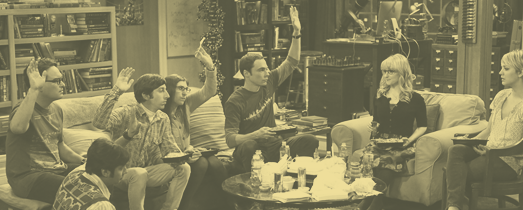
1. The Big Bang Theory, 3147 times
E4
Last Year: 1st, 3216 timesWhen I started compiling these figures, back in early December, it looked like The Big Bang Theory was about to be knocked off the top spot. By the end of November, the Simpsons had sneaked ahead of it, airing 2,765 times to Big Bang’s 2,615. And then, in December E4 decided to air Big Bang Theory an average of 17.2 times per day, which put it on top at the end of the year. Presumably the tape got stuck in the machine or something, but in any case there it is – The Big Bang Theory is the most frequently-shown programme on British television in 2025.
[UPDATE: Again, thanks to Ste Gordon on BlueSky for pointing this out, along with Milly Storrington in the comments, but E4 lose the rights to Big Bang at the end of December, hence them shovelling as many episodes as they can into the December schedules. Which – as I’m not including its new home TLC in next year’s rundown – means a new number one next year. Ooh, the excitement.]
–
Hang the hell on. What happens if you take all the E4s and ITV3s out of the running? What would be the most commonly spotted series’ if you restrict the list to the proper main channels?
Well, given the lack of variety in the above, that was going to be my original plan for this year’s list. But then I thought it would be interesting to compare everything to last year’s rundown, and that had included all the above channels, so I replicated last year’s format. However, I do have all that information to hand, so here’s a rundown if we’re keeping things to just BBC1, BBC2, ITV1, C4 and C5:
- Peppa Pig, 2038 times | C5
- Frasier, 1434 times | C4
- Cheers, 1188 times | C4
- PAW Patrol, 794 times | C5
- The Simpsons, 712 times | C4
- Four in a Bed, 605 times | C4
- Countdown, 600 times | C4
- Everybody Loves Raymond, 594 times | C4
- Friends, 505 times | C5
- The King of Queens, 487 times | C4
- Pip & Posy, 416 times | C5
- A Place in the Sun, 404 times | C4
- Bargain Hunt, 400 times | BBC1 x 318, BBC2 x 82
- Fireman Sam, 383 times | C5
- Ben & Holly’s Little Kingdom, 369 times | C5
- The Adventures of Paddington, 364 times | C5
- Homes Under the Hammer, 344 times | BBC1 x 293, BBC2 x 51
- Ramsay’s Kitchen Nightmares USA, 324 times | C4
- Escape to the Country, 315 times | BBC1 x 266, BBC2 x 49
- Flog It!, 283 times | BBC2
- The Chase, 270 times | ITV1
- Milo, 267 times | C5
- This Morning, 259 times | ITV1
- Lorraine, 259 times | ITV1
- Jeremy Vine, 258 times | C5
- Richard Osman’s House of Games, 257 times | BBC2
- Odo, 257 times | C5
- Tweedy & Fluff, 254 times | C5
- Storm Huntley, 254 times | C5
- Emmerdale, 250 times | ITV1
- Newsnight, 245 times | BBC2
- Home and Away, 237 times | C5
- Thomas & Friends: All Engines Go, 236 times | C5
- Pointless, 234 times | BBC1 x 231, BBC2 x 3
- Bargain-Loving Brits in the Sun, 231 times | C5
- Loose Women, 230 times | ITV1
- Pip and Posy, 224 times | C5
- The One Show, 223 times | BBC1 x 222, BBC2 x 1
- Milkshake! Story Den, 222 times | C5
- EastEnders, 211 times | BBC1 x 206, BBC2 x 5
- Come Dine with Me, 211 times | C4
- Morning Live, 197 times | BBC1
- Tipping Point, 183 times | ITV1
- Rubble And Crew, 182 times | C5
- Impossible, 180 times | BBC2
- Mixmups, 178 times | C5
- Find It, Fix It, Flog It, 177 times | C4
- Oggy Oggy, 172 times | C5
- Tim Rex In Space, 171 times | C5
- Lingo, 169 times | ITV1
There you go. Okay, onto the promises I’d made at the start of the rundown. First up, those nine films shown on four different channels throughout 2025:
[EDIT 31/12/25: Play counts corrected to account for films on ITV2 and ITV4 being split in two by FYI Daily, thanks to commentgoer ghostvf for pointing this out]
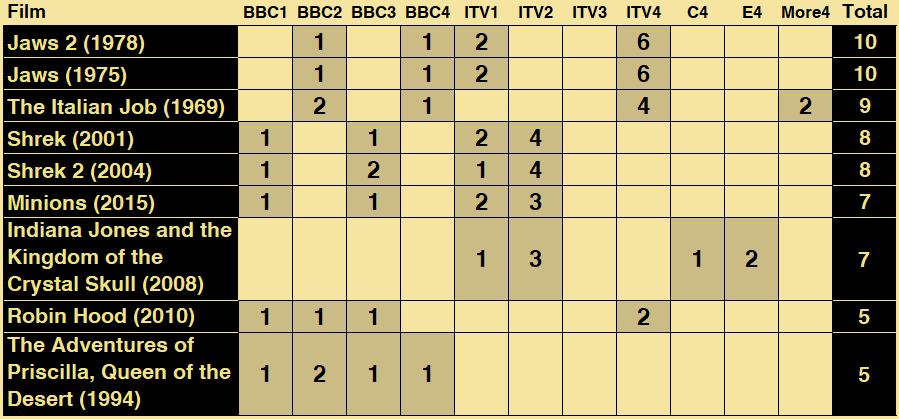
That last one is a bit of a surprise, isn’t it?
As for the four programmes broadcast on all four BBC channels this year:

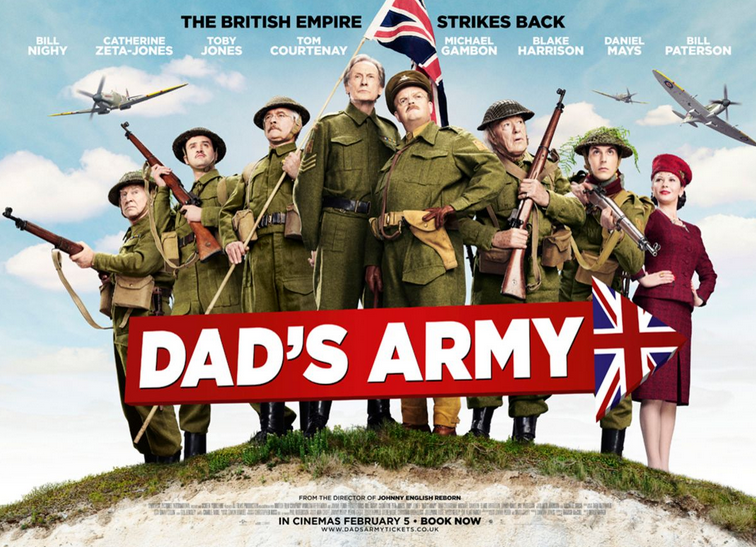
Lastly, there was one much loved programme title that aired on five different channels, but in different guises this year. That was…Dad’s Army. The series itself appeared on BBCs Two and Four, the 2016 film remake appeared on ITV1 in January, while the original 1971 film version aired on More4 in January, plus on Channel 4 on 28 December.
Hey, that’s the day I’m posting this blog update. I don’t just throw this together, you know. (Okay, I totally do.)
See you in 2026!
-
So, What TV Programmes Appear Most Often on Christmas Eve?
Merry Excelmas!
Here’s a quick post I thought of doing after exploring all the televisual fare on Christmas Eve this year, and wondering: are there any true mainstays on Christmas Eve BBC television? The big day itself has the regulars: The Queen, Top of the Pops, ‘stEnders. But the precursor to the big day? That’s not remotely as peppered with usual suspects. OR IS IT?
Obviously, I had to take a look. And there are some surprises in there.
Firstly, here’s a rundown that just combines listings for BBC1 and BBC2:

Several surprises, there. Not least Shrek the Halls being as much a Christmas Eve fixture as Songs of Praise. Or University Challenge being shown more often than Midnight Mass of the Nativity (though in fairness, that’s because the latter has been broadcast under a few different billing titles).
What if we add BBCs Choice, Knowledge, Three and Four into the mix? Because we all remember huddling around the fire to watch Lenny Beige’s Variety Pack as children, don’t we? Well, here you go:
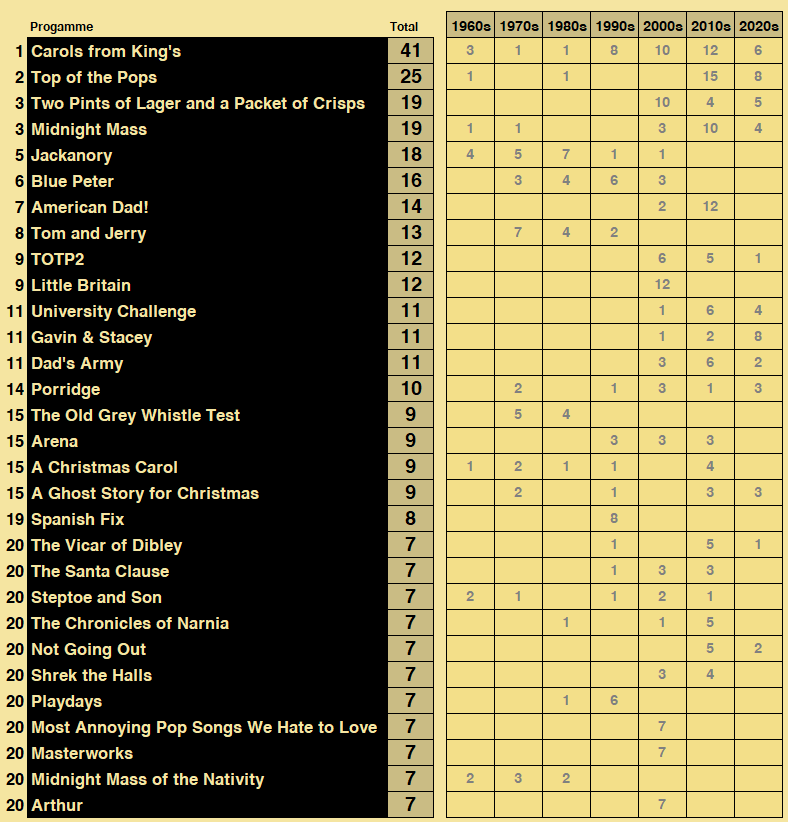
There it is. The Chronicles of Narnia and Most Annoying Pop Songs We Love to Hate, together at last. And Two Pints of Lager right near the top of the tree, but then that could apply for any calendar date given how often BBC Three throw it on.
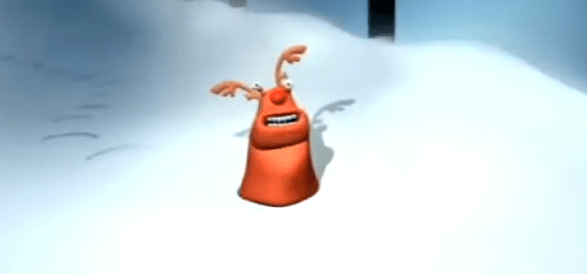
Merry Christmas, everyone! Back soon with an end of year rundown. Two updates in one year? I’m spoiling you.
-
The Most-Shown TV Shows of 2024 and It’s Slightly Different but Also Still The Most-Shown TV Shows of 2024

Following this update the other day, of the most-broadcast TV shows of 2024, I felt compelled to consider programmes only broadcast on the ‘main’ traditional channels. So, without any additional commentary, here’s a similar list, but only looking at programmes broadcast on BBC One, BBC Two, ITV1, Channel 4 and Channel 5.
Pos Programme Airings Network Episodes per Day 20 3rd Rock From the Sun 292 times C4 0.978 19 Flog It! 302 times BBC2 0.978 18 Escape to the Country 313 times BBC1 x 255, BBC2 x 58 0.986 17 Homes Under the Hammer 333 times BBC1 x 271, BBC2 x 62 0.992 16 A Place in the Sun 353 times C4 0.995 15 The Adventures of Paddington 363 times C5 1.038 14 The King of Queens 364 times C4 1.049 13 Come Dine with Me 384 times C4 1.104 12 Friends 404 times C5 1.107 11 Bargain Hunt 405 times BBC1 x 307, BBC2 x 98 1.161 10 Pip & Posy 425 times C5 1.303 9 Fireman Sam 477 times C5 1.355 8 Countdown 496 times C4 1.454 7 Four in a Bed 532 times C4 1.516 6 Cheers 555 times C4 1.781 5 Everybody Loves Raymond 733 times C4 2.003 4 PAW Patrol 831 times C5 2.27 3 The Simpsons 962 times C4 2.366 2 Frasier 1485 times C4 2.628 1 Peppa Pig 2194 times C5 4.057 Merry Winterval, everyone! Hope you’re not getting an Everybody Loves Raymond box set for Christmas!
-
The Most 50 TV Shows of 2024

Yes, that’s not a typo. Or at least, not an accidental one.
Lots of newspapers, magazines and websites are currently parading their list of The 50 Best TV Shows of 2024 (spoiler: you haven’t heard of at least 25 of them, and won’t have watched at least 40 of them). But sod the quality, we’re going to focus on quantity. The programmes you won’t need to subscribe to sixteen different streaming services to be aware of. The shows where, providing you own a television and a face, the two will have collided at least once during 2024.
What if some idiot had pulled an entire year of TV listings for main channels? And then generated a list to see which programmes have been pumped out into the digital jungle most frequently? And made a reverse-order list of the fifty most oft-spotted shows? What then, eh?
Hi, I’m that idiot.
So, here we go. If nothing else, I can promise you:
- It’ll be an end of year list of TV programmes where you’ve probably heard of them all.
- We’ll learn which are the most uninspired of all the main UK TV channels.
- Confirmation that, if broadcast TV is dying, the cause of death is definitely going to be drowning.
Quick set of ground rules: I’m not including news, weather, teleshopping, Unwind with ITV, overnight gambling filler or pseudo-programmes like FYI Daily that purely exist to exploit ad-minutes-per-hour loopholes. I’m only looking at the main entertainment channels available on Freeview (BBC One, BBC Two, BBC Three, BBC Four, ITV1, ITV2, ITV3, ITV4, C4, E4, More4 and Five). There may very well be some omissions that have slipped through my datanet, but not too many.
Okay. On with the show(s).
–
- Flog It!, 302 times
BBC2
0.825 episodes per day
Flog It! To Death, more like.

- A New Life in the Sun, 304 times
C4 x 114, More4 x 190
0.831 episodes per day
A companion to a series we’ll definitely be seeing later in the list.
- Looney Tunes Cartoons, 304 times
ITV2
0.831 episodes per day
Not the classic old Warner Bros cartoons of yore (many of which went out under the culturally memory-holed Merrie Melodies banner), but the HBO-funded and HBO-ignored modern versions. Which, as far as I’ve seen, are very good. But not good enough to have me putting the telly on at 6:50am each morning.
- Escape to the Country, 313 times
BBC1 x 255, BBC2 x 58
0.855 episodes per day
The comforting feeling of following the journey of people who bought houses in London for 3/6 in the sixties, and as a result can now afford to buy Somerset.
- Two Pints of Lager and a Packet of Crisps, 320 times
BBC2 x 1, BBC3 x 319
0.874 episodes per day
Yep, with the back-on-actual-telly Three coming with the stated mission of serving modern-day 16 to 34-year-olds, the most common sight on the channel is a programme that started 23 years ago. So, it probably satisfies any remit the channel has for historical content. Airing as often as eight times per night. Eight times!
- Food Unwrapped, 325 times
C4 x 32, More4 x 293
0.888 episodes per day
One can’t help but feel this food-based consumer series should’ve kept the title of the Dutch original. Keuringsdienst van Waarde practically rolls off the tongue.
- Homes Under the Hammer, 333 times
BBC1 x 271, BBC2 x 62
0.91 episodes per day
As mentioned previously, the practice of property developers buying up repossessed homes to remodel and resell for a fast buck is a pretty distasteful idea for a TV series. But also, a very popular one.
- Car S.O.S, 362 times
C4 x 87, More4 x 275
0.989 episodes per day
Rebroadcast episodes of the Nat Geo series are proving suitable filler fodder for tea-time More, with episodes also featuring on lunchtime Channel Four. Most interesting to me is that one of the presenters is Fuzz Townshend from Pop Will Eat Itself, which must surely have led to a #CarPoppies hashtag on the socials. “Not Now James May, We’re Busy” etc.
- The Adventures of Paddington, 363 times
C5
0.992 episodes per day
Also known as: The Animated Adventures of Modern Britain’s Angel of Death.
- Kojak, 364 times
ITV4
0.995 episodes per day
Nominative determinism klaxons abound, as more than 50 years since his most famous character debuted, Telly Savalas is still never off the damn thing.
- The King of Queens, 364 times
C4
0.995 episodes per day
The mid-table US network sitcom makes the list, albeit mainly as support act to the Simpsons-Frasier-3rd Rock triumvirate of breakfast A-listers on the fourth channel.
- Top of the Pops, 377 times
BBC2 x 2, BBC4 x 375
1.03 episodes per day
Giving a BlueSky-toting Gen X a reason to watch live broadcast television each Friday night? Even if it’s thirty-year old repeats, the opportunity to join the pile-in on Robson, Jerome and Nicky Campbell is just tantalising enough to keep the licence fee payments coming from over-forties.

- First Dates, 381 times
C4 x 55, E4 x 326
1.041 episodes per day
Letting the viewer act as unseen third wheel in this long-running dating series is a quirk that keeps drawing an audience. It even enjoyed a Reeves and Mortimer spoof, albeit in the (admit it) below par BBC Four Vic and Bob’s Big Night Out.
- The Royal, 389 times
ITV3
1.063 episodes per day
The Jive Bunny version of Casualty – it’s not just there to provide fodder for TV Burp.
- Friends, 404 times
C5
1.104 episodes per day
They’ll be there for you, until a time where the show suddenly becomes unprofitable. Which isn’t happening any time soon.
- Bargain Hunt, 405 times
BBC1 x 307, BBC2 x 98
1.107 episodes per day
Another entry from BBC One’s stable of daytime perennials. Bring back Open Air, you cowards!
- Pip & Posy, 425 times
C5
1.161 episodes per day
This list is going to contain more Milkshake than a vessel hurled at Nigel Farage, isn’t it? This adaptation of Axel Scheffler’s book series proving to be an integral part of Five’s pre-school strand on all seven days of the week.
- Bob’s Burgers, 448 times
ITV2
1.224 episodes per day
Still the strongest string in Fox’s Sunday evening animated comedy line-up over there, even if 2024 saw it removed from ITV2’s primetime line-up and relegated to the midnight hour. Still, it was lovely to see The Bob Burgers Movie getting a teatime airing over the summer.
- Fireman Sam, 477 times
C5
1.303 episodes per day
Sam Tân for viewers west of Offa’s Dyke, of course. It’s incredible that this has been running in various guises since 1987, generating over 300 episodes along the way. Less credible that Norman Price is still getting away with his nonsense. Bet he wouldn’t be so cocky if the Sam/Fire Engine Transformer that you can find in branches of Home Bargains were to feature in the programme.

- Find It, Fix It, Flog It, 479 times
C4 x 189, More4 x 290
1.309 episodes per day
Commission it, film it, repeat it, more like. It’s The Repair Shop but with a profit and loss margin.
- Countdown, 496 times
C4
1.355 episodes per day
Astonishing that this is still going strong, and still providing surprises along the way. Mainly when you look at the list of former presenters. Anne Robinson? Really? Wow. Forgot that.
- Mr Bean, 539 times
ITV2 x 471, ITV4 x 68
1.473 episodes per day
The total for ITV2 broadcasts of the animated spin-off bolstered by ITV4 repeats of Live Action Bean, granted. But I’m not doing the spreadsheet again.
- The Goldbergs, 548 times
E4
1.497 episodes per day
Fulfilling E4’s public service remit of showing a billion episodes of an American sitcom most people have never heard of, the antics of the titular 1980s Philadelphia family have happily filled many a mid-afternoon hour throughout the year.
- Agatha Christie’s Poirot, 549 times
ITV3
1.5 episodes per day
Twirly-‘tached crime-confounding capers are pretty much ITV3’s comfort blanket, so it’s little surprise to see a surfeit of Suchet here.
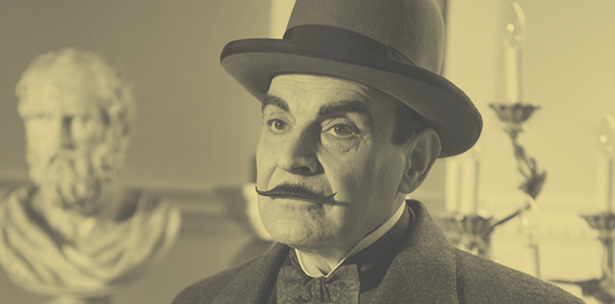
- Cheers, 555 times
C4
1.516 episodes per day
Normally, when a channel gives up on something big, it’ll spend about a decade and untold millions trying to find something else to fill the gap. In the case of Four’s quest to find a popular successor to The Big Breakfast, the stopgap solution of flinging on American Sitcom Repeats until something better than RI:SE came along proved to be the canniest move the station would make this century.
- Minder, 592 times
ITV4
1.617 episodes per day
“Why don’t you just… Not go home? She’d be over the moon.”
“That is very wounding, Terrence. Wounding and ungrateful.”- Totally Bonkers Guinness World Records, 615 times
ITV2
1.68 episodes per day
Ah, the 1980s scheduling staple of flinging on World Records footage to fill a half-hour or two is still going strong, though it really needs David Frost in NTSC for the full effect. And nobody has noticed that it’s putting a programme title that’s plugging alcohol in a kids’ slot, just after Scooby-Doo. Oh, you might disagree, but nobody would pick the suffix ‘Publishing’ if Guinness came up in a word association test.
- Dress to Impress, 656 times
ITV2
1.792 episodes per day
A teatime staple for people who – somehow – avoid the whole teatime Pointless versus The Chase quandary. Basically people who heard about the Blur vs Oasis battle of the charts, and bought Everybody by Clock instead.

- Teen Titans Go!, 671 times
ITV2
1.833 episodes per day
As far as superheroes go, here’s the Justice League’s Under-21 side, with ITV2 broadcasting every minute of their Bristol Street Motors Trophy group stage matches.
- Hollyoaks, 690 times
E4
1.885 episodes per day
This is never going to end and when E4 finally get sick of it, it’ll just reappear on 4-Tel or something.
- Gogglebox, 708 times
C4 x 173, E4 x 535
1.934 episodes per day
Gogglebox is nothing more than a less good remake of ParamountText’s Mailbox pages. Change my mind. (I really do stand by my original dismissal that it’s nothing more than a crowdsourced TV Burp.)
- Everybody Loves Raymond, 733 times
C4
2.003 episodes per day
Channel Four certainly love Raymond, especially in a weekday early morning slot. It would’ve cost them a fortune to repurchase Lock-keeper Cottages for an ill-advised BB reboot, in fairness. Though one can’t help suspect that Chris Evans would now be a lot more willing to get involved.
- American Dad!, 747 times
ITV2
2.041 episodes per day
One of the best jokes in American Dad! was Francine’s “No wonder the doctors in Scrubs don’t find time to be funny”. Mind you, that was a long time ago – don’t think it could afford to be that cocky nowadays. BONUS FACT: October 2025 will mark the 20th anniversary of American Dad debuting on BBC Two.

- Young Sheldon, 749 times
E4
2.046 episodes per day
I don’t even like Old Sheldon tbh.
- Paw Patrol, 831 times
C5
2.27 episodes per day
The cartoon canines show little sign of stopping. Rubble has even landed his own spin-off series, which makes him the Frasier of Adventure Bay.
- Heartbeat, 927 times
ITV3
2.533 episodes per day
“Nick Berry had talent in a previous life
Nick Berry had talent in a previous life
Nick Berry had talent in a previous life
Nick Berry had it all” – Mclusky, Random Celebrity Insult Generator.A bit harsh, lads. He was in The Box of Delights on BBC Four just the other day. They don’t cast just anyone as ‘Pirate Rat’.
- A Place in the Sun, 930 times
C4 x 353, More4 x 577
2.541 episodes per day
[Adjusts Rory Bremner glasses while speaking in a Trevor MacDonald voice] Well, with old Keir Starmers stopping winter fuel payments, seeing coverage of people buying second homes in Gran Canaria will be the cheapest way pensioners can try to at least feel warm. [Pause for applause.]
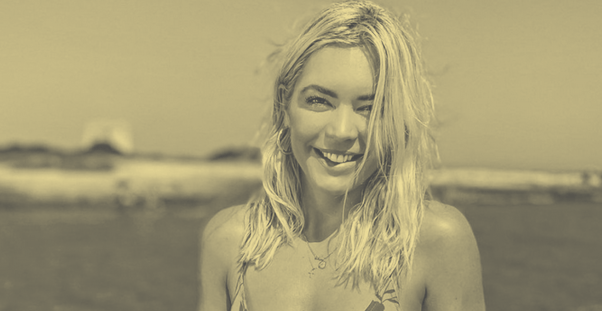
- The Simpsons, 962 times
C4
2.628 episodes per day
A cultural totem that completely transformed animated comedy it might be, but this week’s news that Four are going to shunt The Simpsons from a teatime slot on their main channel over to E4 means that Springfield now simply has to become a twin town of Chester.
- Family Guy, 994 times
ITV2
2.716 episodes per day
Meanwhile, here’s the show that will forever be in the Simpsons’ shadow. Not as popular as it used to be, I’ll wager, but it seems certain that ITV would fly into a panic if someone else lost the rights. BBC Three would make a desperate bid for this if the master tapes of Two Pints of Lager ever snapped.
- Classic Coronation Street, 998 times
ITV3
2.727 episodes per day
Followed by…
- Classic Emmerdale, 1000 times
ITV3
2.732 episodes per day
A victory lap for ITV’s twin kings of soap. Once they run out, I’m hoping they’ll spin up Albion Market.
- 24 Hours in A&E, 1021 times
C4 x 62, More4 x 959
2.79 episodes per day
Well, your nan might be been left there on a stretcher for 17 hours with her shattered hip, but at least More4 had something to show in a Saturday night double-bill all year. So, you know.
- Ramsay’s Kitchen Nightmares USA, 1025 times
C4 x 228, E4 x 797
2.801 episodes per day
It’s really hard to get tired of seeing other people get a bollocking at work, isn’t it? Though, unlike the superior British original version, this has never had a man walking around shouting “BOLLOCKS TO BISTO” through a loudhailer at passers-by.

- Brooklyn Nine-Nine, 1148 times
E4
3.137 episodes per day
The endlessly-quotable antics of New York’s fun blue line. A pity the endless cancellations and okay-one-more-seasons left the final episodes wobbling with disinterest towards the finish line, but remember it for all those lofty heights. “All of Planet Earth. With the British narrator.”
- Frasier, 1485 times
C4
4.057 episodes per day
Here he is! If you ever want to annoy a fan of Frasier, simply point out that most episodes seem to involve Dr Crane getting handcuffed to a stripper ten minutes before an Important Dinner Party. Because, while that’s not true, that it tells us about Frasier is (etc).
- Modern Family, 1786 times
E4
4.88 episodes per day
“The viewers look unhappy.” “Shovel on more episodes of Modern Family.” Showered with praise by the press, there must be something wrong with my telly, which only seems to show episodes where it’s far too busy being pleased with itself to, y’know, be good.
- Peppa Pig, 2194 times
C5
5.995 episodes per day
Lovely as it is, imagine being in the part of the multiverse where Ben and Holly’s Little Kingdom is the Astley Baker Davies production that took global TV by storm. Nothing against Peppa per se, but Ben and Holly is that bit better. Peppa probably couldn’t get away with having an (unseen) character called Sharon the Totally Insane, for one thing.
- Come Dine with Me, 2199 times
C4 x 384, E4 x 35, More4 x 1780
6.008 episodes per day
Plus…
- Four in a Bed, 2337 times
C4 x 532, More4 x 1805
6.385 episodes per day
While there were lots (and lots) of bad things about having an overstuffed cartoon scarecrow as Prime Minister for a few years, one that stands out was him appointing Nadine Dorries as Minister of Culture, who was determined to attack Channel Four following their wheeze of putting an ice sculpture in one of the chairs for an election debate. The good people of social media took at arms (well, keyboards) to express their disgust at Dorries wanting to force unpopular changes to the fourth channel, until she scampered back off to her, well, obviously not constituency. And yet… SO much of it is just these two programmes on a seemingly endless loop. S4C makes much more of an effort, and that’s got a budget of 17p and some buttons. What would Murun Buchstansangur say?
- The Big Bang Theory, 3216 times
E4
8.787 episodes per day
Remember when E4 was going to be Britain’s answer to HBO? That was the initial plan before it launched, with subscriptions driving previously unimaginable levels of creativity. Where are we at with it in 2024? On 257 calendar days of 2024, E4 showed at least TEN episodes of The Big Bang Theory. The glory days of Skins and Misfits are basically in a whole other era, aren’t they?

–
And there we go. Between the fifty, that makes for a total of 39,340 individual TV broadcasts, all of which would require an issue of the Radio Times stretching from Carlisle to Cornwall (okay, no it wouldn’t).
But all these do tell us a lot about which are the least original TV channels currently kicking about your digibox. Indeed, there’s one channel that one might have expected to feature, but which was wholly absent from the list. Here’s the full breakdown by channel, ranked by ‘number of episodes in that top fifty’:
E4 – 9,830 broadcasts in the list
C4 – 6,804
More4 – 6,169
ITV2 – 4,906
C5 – 4,694
ITV3 – 3,863
ITV4 – 1,024
BBC1 – 833
BBC2 – 523
BBC4 – 375
BBC3 – 319
ITV1 – 0That’s right, not a single ITV1 programme made the cut. For the record, the most-spotted programmes that even appeared on that channel were: Celebrity Catchphase (51st place, shown 298 times, 26 on ITV1, 272 on ITV2), Family Fortunes (56th place, shown 272 times, 24 on ITV1, 250 on ITV2) and Midsomer Murders (57th place, shown 272 times, 11 on ITV1, 261 on ITV3). The highest ranking for an ITV1-exclusive show was joint-67th place for This Morning and Lorraine (both shown 260 times). The Chase only made number 78 on the list (shown 249 times). Fair dues.
So, that’s it for the year. Hopefully, I shall be back on the blog soon. Hopefully with some exciting news. Ooh, the excitement.
-
The Joint-165th Most-Broadcast Programme on BBC TV (also 200th)
What? Eh? Weren’t we done with this?
Okay, the blog has been quieter than planned of late, and that’s because I’ve been stupidly doubling the number of entries in the book version of (now) The 200 Most-Broadcast BBC Programmes Ever (which also throws in full broadcast histories for BBCs Three, Four, Choice and Knowledge because why not?). And, who’d have thunk, writing another hundred programme entries while trying to find something interesting to say about each one isn’t quick. You try and dig up a bunch of hidden knowledge about The O-Zone, I dare you. Despite that, it’s currently at 344 pages. Several of which aren’t about The O-Zone.
So, what’s going on here then? Well, on writing one such entry, I couldn’t help but notice we’re right on the 55th anniversary of the first time it was ever broadcast on the BBC. And as it’s a really well-known programme, it’d be nice to share the write-up for it. And so, without any further ado, here’s…

Hang on, not that. This:
=165. Star Trek
1969-2007, broadcast 659 times
BBC1 (329 times, 1969-1985), BBC2 (329 times, 1985-2007), BBC4 (once, 2006)

The secret of getting a TV hit is getting the timing just right. Get your show on air right when people are going to go gangbusters for it, from Ninja Turtles on BBC1 in 1990, to Ninja Air Fryers on Five in 2023. And I’d say the all-time intergalactic champion of peak-interest scheduling is the BBC scheduling the first episode of Star Trek for 12 July 1969, just four days before the launch of the Apollo 11 mission that would soon see Neil Armstrong and Buzz Aldrin stomp about on the moon. Stick that in your air fryer.
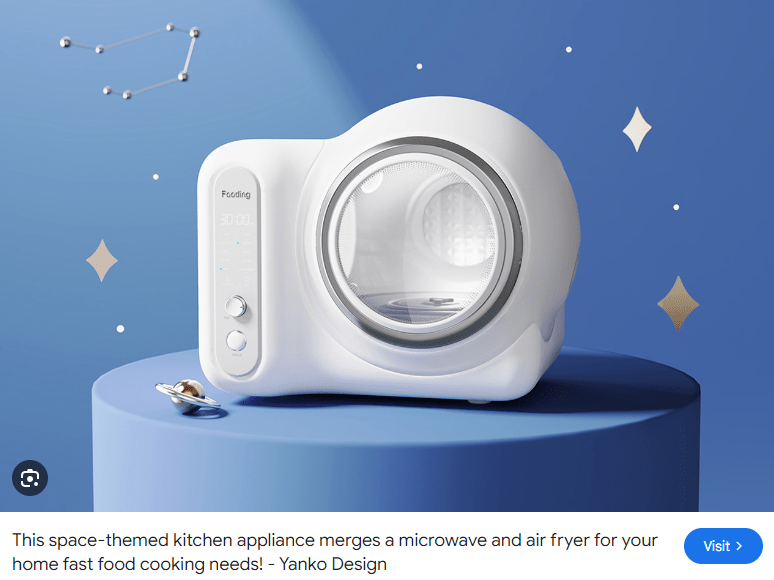
Wasn’t expecting a hit for “space themed air fryer” in all honesty, but there you go. Aside: That’s much cleverer scheduling than that of NBC, who’d pseudo-cancelled the underperforming series by shoving season three into the 10pm Friday ‘death slot’, ensuring that ratings would drop further, and the axe could finally be dropped. The last episode of the series set in space, a thing clearly nobody would care about, aired on 3 June 1969. Just a few weeks before the launch of… (checks notes) oh NBC, you idiots.
Not that the moon landing was the BBC’s real impetus for luring Kirk and Co on British screens. With Doctor Who having been such an instant smash for the Beeb, and the sixth series wrapping up (with the last part of The War Games, detail fans) in late June 1969, a nation was hungry for more Saturday evening sci-fi, so it made perfect sense to bring in the big new American series. And the new series certainly drew a lot of attention.
The Daily Mail – hardly a publication you’d expect to get excited about aliens invading Britannia’s living rooms – breathlessly hailed the incoming Trek as “the best science-fiction series produced for television”, while the Daily Mirror, who’d first flagged up the forthcoming series back in January that year, highlighted reports of Trek’s “imagination, technical accuracy and attention to detail”. A little later, the Daily Mail’s TV critic Peter Black would hail the series as “the most intelligent and literate of current fictional imports.”

It’s not going to surprise anyone if I mention that Star Trek was a great big success for BBC1. Within a few months, newspapers could be seen running interviews with Fred Phillips (who, as everyone knows, was The Make-Up Man Who Made Spock’s Ears – “I make them with a rubber cast of Leonard’s real ears”), excited columns about Trek being one of the first programmes to be shown in colour on BBC1 (the day before the first episode of Monty Python’s Flying Circus joined that list – and still six weeks away from the ‘official’ launch of colour on the channel), and plenty of viewer letters (“Now Star Trek has moved to evening viewing, what can we expect next… Dr Who instead of the Wednesday Play?” – K. Barker, Dullardshire).
While Star Trek (eventually) became a big hit through syndication over in America, the programme’s phaser still continued to stun British audiences through the 1970s and beyond. Between 1970 and 1985, it would air on primetime BBC1 a total of 266 times. During that same period, even Doctor Who only hit primetime BBC1 on 258 occasions.

I know Tom, mad isn’t it? After that, Star Trek became an exclusively BBC2 property, airing on Thursday teatimes throughout 1986 before having a rest until a return to that slot in 1992, offering some companion content for Two’s popular broadcasts of The Next Generation.
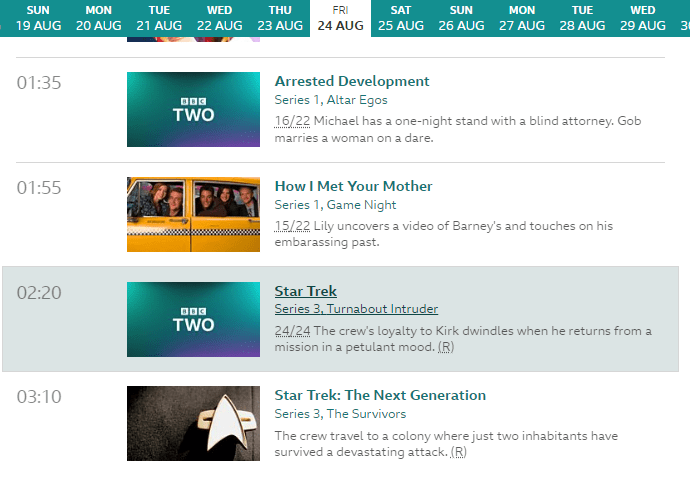
The Starship Enterprise had enough stamina to keep teleporting into the BBC2 schedules all the way until 2007 – though by that point, much as NBC had done to the series back in 1969, it was being relegated to less popular slots. And, as a result, the last episode of The Original Series on a BBC channel was Turnabout Intruder, going out at 2.20am in the wee small hours of Saturday 25 August 2007.
See also: Star Trek Night (1996) from that year’s August Bank Holiday Monday, to mark 30 years of the series. Presented by Craig Charles (Patrick Stewart would return the favour two years later, when he presented BBC2’s Red Dwarf Night), this included one-off quiz To Boldly Go Where No Quiz Has Gone Before, a documentary where the likes of Stephen Hawking, Roger Penrose and Lawrence Krauss explore how plausible all that Trek tech really was, a compilation of Trek spoofs from TV history, a John Peel retrospective on the musical careers of the Enterprise actors, plus the pilot episode of Star Trek: Voyager. All grouted with tributes by celebrity Trek fans, including Josie Lawrence, Paul Boateng MP, Jonathan Ross, Damien Hirst, Patrick Moore and Camille Paglia.
Also see also: another Star Trek Night on 16 September 2001, this time marking the (you guessed it) 35th anniversary of the programme. No mere repeat of last time, this time around Jonathan Ross was in the captain’s chair, hosting: a look at how the series became a huge franchise, a behind-the-scenes look at Trek’s SFX, a look at where the show might go next, a repeat of an episode voted “Captain’s Choice”, with a winning episode plucked from the stewardship of Kirk, Picard, Sisko or Janeway.
SPOILER ALERT: The winning episode was Star Trek: Voyager episode Counterpoint. Recency bias, or a nation forever in love with Captain Kathryn Janeway? You decide.
Additionally, also see also: Star Trek: The Animated Series (unhelpfully for me, also billed as ‘Star Trek’ in the RT), featuring the voices of the original cast, which aired on BBC1 on Saturday evenings for a spell from 31 August 1974, and within Children’s BBC hours through 1975, 1976 and 1977. It would later reappear on BBC2 during summer holiday mornings in 1995 and Easter holiday mornings in 1996.
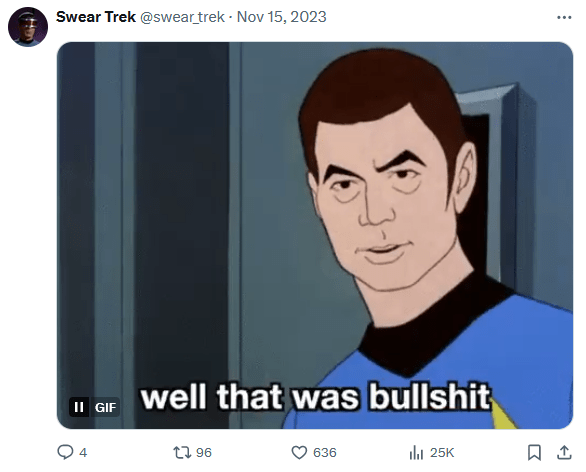
And led to one of the better peak-era Twitter accounts, of course.

And, seeing as we’re here:
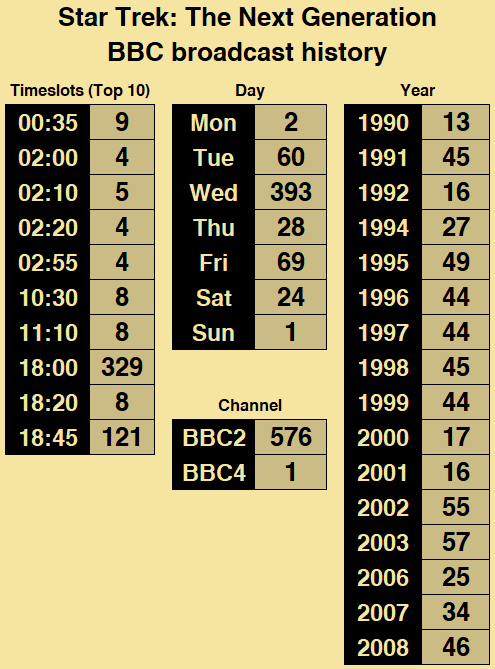
200. Star Trek: The Next Generation
1990-2008, broadcast 577 times
BBC2 (576 times, 1990-2008), BBC4 (once, 2006)
Some American TV programmes seem designed to be snaffled up by Sky before the BBC can even get the padlock off its chequebook, and if it had arrived just a few years later you can guarantee Star Trek: TNG would have been one of them. As luck would have it, by the time the long-awaited follow-up to Trek was being shopped around in the late 1980s, the BBC were able to pounce (though not before the series debuted in the UK as a retail video premiere, helping Paramount claw back some of that sizeable budget).
And so, on 26 September 1990, BBC2 viewers were treated to the programme’s movie-length pilot, as the employees of the Enterprise headed for Deneb IV. The programme immediately skyrocketed to the top of the channel’s BARB ratings, and became a fixture on the channel until 1998. Though not exclusively so – from season four onwards, first-run UK rights had been snaffled up by, yep, Sky One. What’s Klingon for “damn you, Murdoch”?
Okay, back to my desk. More nuggets from the expanded list soon, most likely.
-
BrokenTV’s Sitcom Swingometer Spectacular FINAL DAY AND CONCLUSION

Well, the exit polls are in.
By which I mean most people who’d looked at Part One hadn’t returned for subsequent parts, suggesting this idea didn’t really have the legs to run for the entire election cycle.
Which is fair enough, one thing I’ve learned from writing up several days of AI-generated predictions of How Sitcoms Characters Would Vote in The 2024 General Election is… what pretty much everyone already knew: AI ain’t that clever. It basically seems to explore keywords for a sitcom’s characters, then plump for the Conservatives if a synonym for ‘traditional’ appears, or choose one from Labour, Lib Dem or Green out of a hat for everyone else.
That said, I’ve got a spreadsheet, and I’m damn well going to wring a bit more data out of it. So, let’s round things off with a load more sitcoms, and see where that gets us. Meaty bits only, listing just the ‘scores’ for each sitcom, and only anything particularly interesting (or daft) from the write ups. Oh, and only using one AI engine (ChatGPT) because life is too short to do it all twice. All followed by a great big scoreboard at the end.
Ready? Let’s Dimbleby this mother.

Okay, to keep everything in one place, we’ll revisit the ones that have already been done. If only because it’ll put the new additions into some kind of nonsense context. I mean, Winnie from Early Doors would NEVER vote Conservative. Jean, yes. Phil and Nige, definitely. Nominally in favour of law and order but relentlessly on the take? Nailed on. As for those Toast of London predictions – well, Danny Bear would vote along with Clem Fandango, so that’s wrong. Also: the AI thought Ed Howzer-Black was Toast’s agent. What a digital idiot.

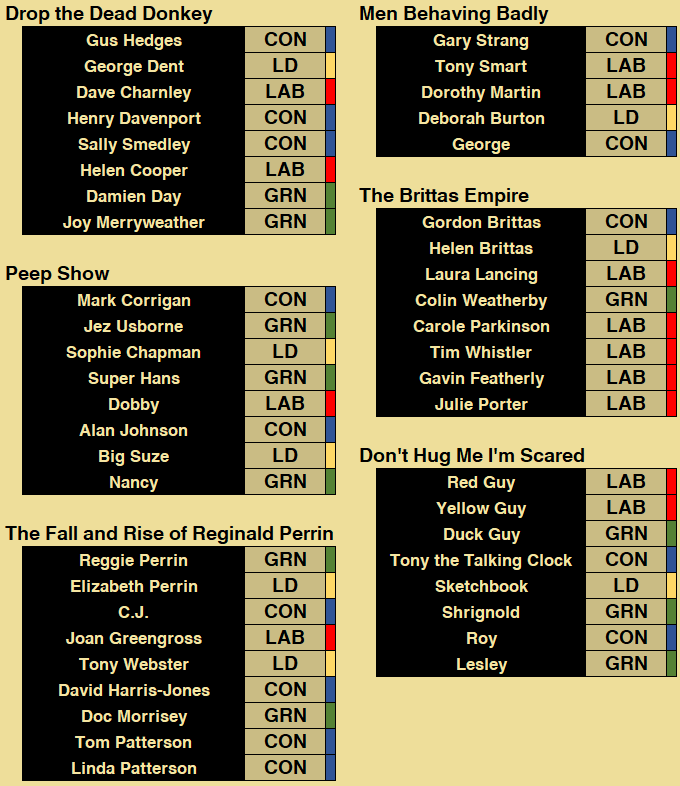
A couple more BBC sitcom stalwarts added to the electorate in Men Behaving Badly and The Brittas Empire. Would Gary be a bit more Lib Dem? Possibly. And I suspect Gordon Brittas would, too. Colin voting Green is on the money, mind. In other news, good to see that the AI had surprisingly strong opinions on the characters from Don’t Hug Me I’m Scared.


A good mix from One Foot in the Grave, there. Not sure what the tremendously pro-Labour Richard Wilson would make of the AI pinning Victor Meldrew as a Tory, and as it’s strictly the 2024 election we’re looking at here, can’t help but think Patrick would be put off by Ed Davey’s antics over the last week (though Pippa would see little reason to get so het up about it). In less welcome news for the Liberal Democrats, the AI has League of Gentlemen‘s Herr Lipp pinning an orange rosette to his lapel.
If ever evidence were needed that all AI in bunk, considering for a second that Vince from 15 Storeys High would vote Green is exhibit A. ChatGPT’s write-up claims “he might lean towards the Green Party due to their focus on social justice, environmental issues, and community wellbeing”, which suggests they can only possibly be thinking of his namesake from Erasure.
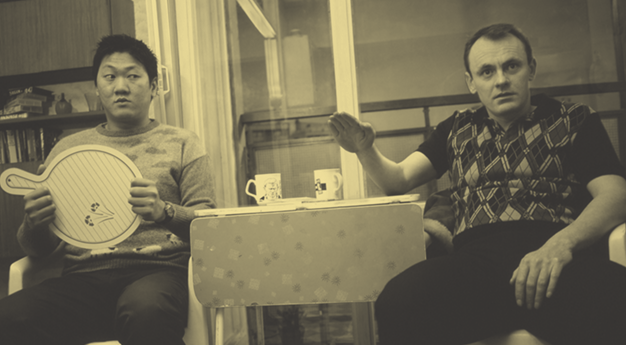
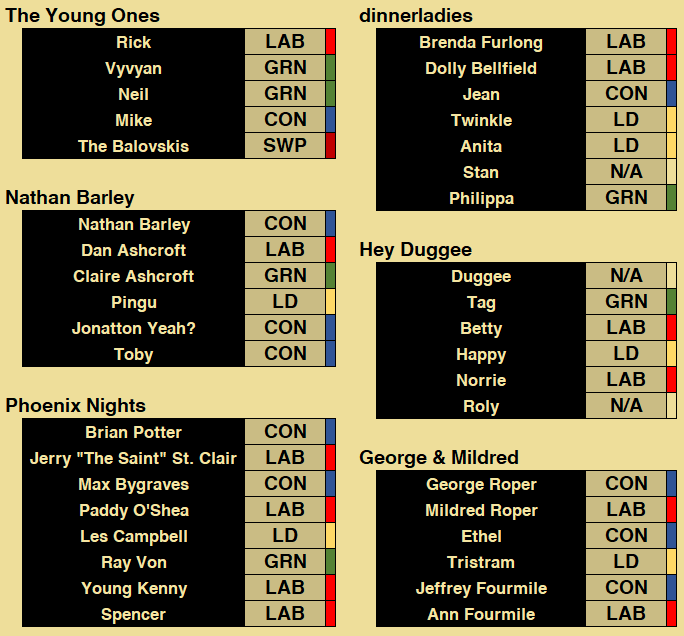
For further proof that AI clearly hasn’t watched as many episodes of George & Mildred as it should have, George referred to the Conservative Party as “the one for posh twits” in one episode (unlike the aspirational Mildred, of course). Even more dozily, the AI has Tristram down as “the Ropers’ pretentious and flamboyant neighbour”. He’s about six years old, you monsters!
Anyway, fun to see that it came up with suggestions for most of the main characters in Hey Duggee. Yes, it counts. If nothing else, it’s funnier than most sitcoms of the last decade. As for those N/A’s for Duggee and Roly – “He might not have political preferences, focusing instead on nurturing the growth and development of the young squirrels” for the former, “[he] might not have strong political leanings, focusing instead on having fun and enjoying life’s adventures” for the latter.

There’s even an Election Badge episode of Hey Duggee, so I couldn’t not include it. Also: it’s just a superb series. 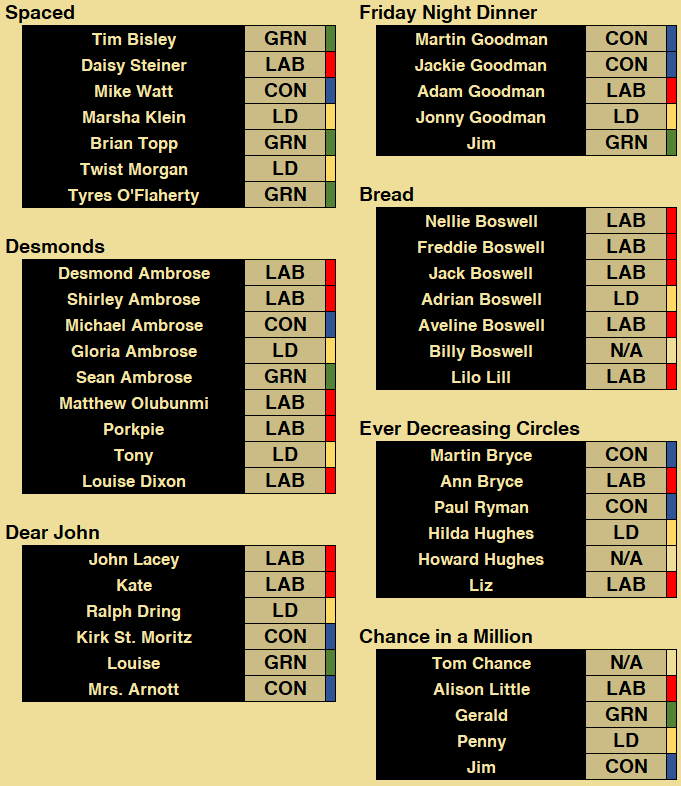
Onto the mainly new entries in the list. I reckon Tim from Spaced would check to see if the Pirate Party have a candidate on the ballot before marking his cross. A big showing for Labour in Desmonds (altogether now: “That’s Channel 4 for you”), and I’ve no argument with the predictions for Dear John.
As for those N/A’s up above: Howard from Ever Decreasing Circles is considered to be “focusing more on his hobbies and avoiding conflict”, Tom Chance (in a Million) would be “focusing more on his unusual adventures and avoiding conflict” (hmm, a pattern developing here. Even though Tom Chance seemed perfectly fine with conflict if you ask me). As for Bread‘s Billy Boswell, he “might not be old enough to vote in the 2024 General Election”. Yet Tag, Betty, Happy and Norrie from Hey Duggee are? Plus the puppets from Don’t Hug Me I’m Scared? More likely that Billy Boswell didn’t happen to have any photo ID, eh voter suppression fans?


Okay, last leg now. A predictable set of results from Torquay’s most notorious hotel, similarly so for the staff and customers are Arkwright’s General Store. Those Last of the Summer Wine figures probably fit in with Yorkshire being a bit of a hotbed for Northern Conservatives (the abstaining Compo would be “focusing more on enjoying life’s simple pleasures and avoiding authority”). I can’t argue with how the AI claims Edward Catflap and Ralph Filthy would vote, while Richie Rich would be “focusing more on his own narcissistic pursuits and desire for fame and fortune”.
As for those spoiled ballots from Mr Don and Mr George: ChatGPT has it down as “a British children’s television series featuring the characters Mr. Don and Mr. George who run a toy shop”. As a result, “the show primarily focuses on themes of friendship, imagination, and problem-solving rather than political matters. Therefore, it’s unlikely that the characters would have specific political preferences or vote for political parties in the 2024 UK General Election.” But the talking puppet clock from Don’t Hug Me I’m Scared would be more than willing to go out and vote. Sure, why not.
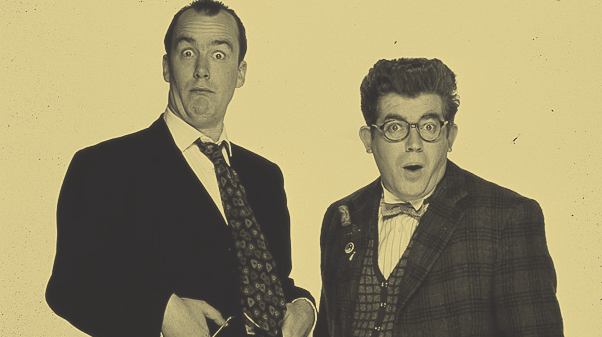
Anyway, onto the final results. How will it end up? Who’ll have their feet up on the desk in Number 10 come the 5th of July?
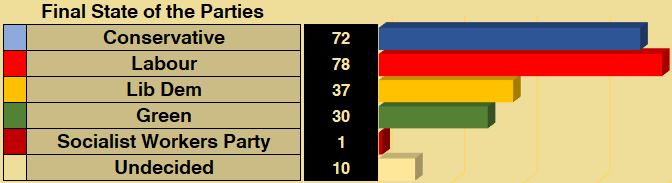
A HUNG PARLIAMENT. You read it here first.
So, one less chart to point your face at. Using the channel each sitcom first appeared on, how do characters on each channel tend to vote? This is incredibly spurious and pointless, of course. Not least as the dataset is hardly packed with ITV sitcoms (though it gets to claim Men Behaving Badly for itself), but there you go.

And that’s it for a very unpopular series of blog posts. Hooray! Tune in next time for the first of my 76-part aural history of Captain Butler.
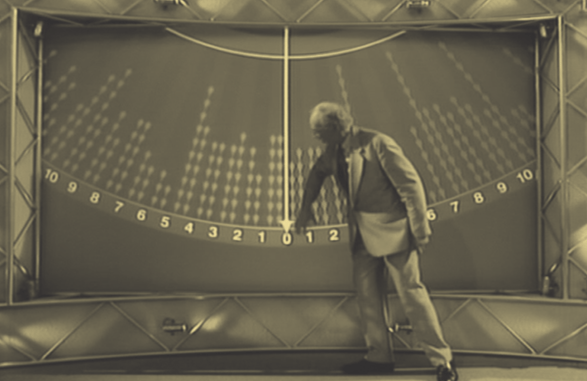
-
The Sitcom General Election/AI: Shit or Not Referendum, Part 4: Nathan Barley, Phoenix Nights and Spaced

Given the slightly strange results it’s generated so far, I’ve retitled the series to factor in whether AI will come out of this with any credibility or not. It can’t even get a grip on what it would look like if the October 1974 BBC General Election coverage had been anchored by a cartoon moose.

WHERE ARE THEIR LEGS? AND THAT’S CGI, I ASKED FOR A HANNA-BARBERA CARTOON MOOSE But anyway, onto part four of our gallop through the sitcom polls, and a trio of Channel 4 sitcom characters wander into our theoretical (and AI-assisted) polling booth. Will AI start to redeem itself?
Nathan Barley

Charlie Brooker and Chris Morris’ satire of self-obsessed nuMeeja nodes might not be up there with the classic sitcoms from Four, but it has a variety of characters that don’t fit in with standard sitcom tropes. Plus Benedict Cumberbatch was in it (for about twenty seconds). So, how were the Hoxton hacks likely to vote? Over to ChatGPT at the count:
Nathan Barley: The titular character, Nathan is a vapid and self-obsessed media wannabe. He might vote for the Conservative Party if he sees it as beneficial for his business interests and social status. Alternatively, he could support a trendy, image-focused party like the Liberal Democrats, if they appeal to his sense of being progressive and cool.
Dan Ashcroft: The disillusioned journalist who sees through the superficiality around him, Dan would likely support the Labour Party. His disdain for the vacuous culture represented by characters like Nathan aligns with Labour’s focus on social justice, equality, and challenging the status quo.
Claire Ashcroft: Dan’s sister, who is an earnest documentary filmmaker, would probably vote for the Green Party. Her commitment to meaningful, socially-conscious work aligns with the Greens’ emphasis on environmental issues, social justice, and progressive policies.
Pingu: The tech-savvy but somewhat clueless friend of Nathan, Pingu might support the Liberal Democrats. His tech-centric lifestyle and desire to appear progressive fit with the Lib Dems’ focus on innovation and moderate social policies.
Jonatton Yeah?: The pretentious editor of the fictional magazine “Sugar Ape,” Jonatton might support the Conservatives, valuing their pro-business stance and focus on individual success. Alternatively, he might vote for whichever party he believes aligns with the latest trends and keeps him in the social limelight, potentially the Liberal Democrats.
Toby: Another character who thrives on the superficial hipster culture, Toby would likely follow a similar pattern to Nathan Barley. He might vote Conservative if he sees personal gain or lean towards the Liberal Democrats for their trendy, progressive image.
Personally, I reckon Barley would vote for a new unheard-of single-topic party set up by one of his school chums that ultimately gathers a total of 27 votes, but that’s probably not part of the training data. Anyway, what did CoPilot say?
Nathan Barley: As the epitome of the self-absorbed, tech-obsessed hipster, Nathan would likely gravitate toward a party that promises to revolutionize the digital landscape. His vote might go to the Greens, who advocate for environmental sustainability and progressive tech policies.
Dan Ashcroft: The disillusioned journalist and creator of the infamous “Rise of the Idiots” article would probably lean toward Labour. Dan’s disdain for mainstream culture and corporate influence aligns with Labour’s historical focus on social justice and workers’ rights.
Jonatton Yeah?: The absurdly named editor-in-chief of Sugar Ape magazine would likely vote Conservative. His penchant for superficiality, elitism, and corporate interests mirrors the Tory party’s traditional values.
Toby: Nathan’s clueless flatmate Toby might not even bother voting. But if he did, it’d be a random choice based on whichever party had the most colourful campaign posters.
Pingu: Ben Whishaw’s character, Pingu, Nathan’s tech-savvy boy-slave, would likely support the Liberal Democrats. Their focus on civil liberties, individual freedoms, and tech innovation would resonate with him.
Ned Smanks and Rufus Onslatt: The gormless graphic designers at Sugar Ape would probably vote for the Monster Raving Loony Party or some other fringe group. Their lack of critical thinking and penchant for absurdity aligns with such choices.
Sasha: The receptionist at Sugar Ape, Sasha, might lean toward the SNP or Plaid Cymru, given her Welsh heritage. She’d prioritize regional interests and cultural identity.
No idea where that last one has come from, but curious that CoPilot includes Ned Smanks but excludes Chloe Ashcroft, one of the main three characters in the entire series. Tsk. Anyway, what’s next?
Phoenix Nights

Garlic bread? Etc. Briefly Britain’s most popular sitcom, currently unavailable on any streaming service but available in charity shops throughout the land. The first series is brilliant, while the second series… well, the Das Boot fruit machine is quite funny. Or was that series one? Anyway, how would they all vote? ChatGPT, over to you:
Brian Potter: The ambitious and scheming owner of the club, Brian would likely vote Conservative. His entrepreneurial spirit, focus on personal gain, and desire to succeed in business align with the Conservative Party’s pro-business policies.
Jerry “The Saint” St. Clair: The club’s loyal but often frustrated entertainment manager, Jerry might lean towards the Labour Party. His working-class background and dedication to the community fit well with Labour’s focus on social equality and support for public services.
Max Bygraves: One half of the club’s bouncer duo, Max might support the Conservative Party, valuing their stance on law and order. His job as a doorman and his no-nonsense attitude align with conservative values on security and stability.
Paddy O’Shea: The other half of the bouncer duo, Paddy, could lean towards Labour. His more laid-back personality and camaraderie with the club’s patrons suggest a preference for policies that support the working class and community cohesion.
Les Campbell: The club’s handyman and aspiring DJ, Les might vote for the Liberal Democrats. His practical skills and desire for progress and innovation in his DJ career align with the Lib Dems’ focus on personal freedoms and support for the creative industries.
Ray Von: The club’s resident DJ and jack-of-all-trades, Ray Von might support the Green Party. His quirky and inventive nature fits with the Greens’ emphasis on environmental sustainability and progressive social policies.
Young Kenny: The naive and well-meaning club employee, Young Kenny would likely support Labour. His working-class roots and straightforward outlook on life align with Labour’s focus on fairness and social justice.
Spencer: The club’s enthusiastic but inexperienced young worker, Spencer, might also lean towards Labour. His youthful idealism and aspiration for a better future align with Labour’s promises for social mobility and opportunities for young people.
Well, it’s doubtful that Max would really vote Tory given his occasional sad lament of “Thatcher’s Britain” is Road to Nowhere, but I can’t blame ChatGPT for not having watched that. Most people wish they hadn’t, either. Over to CoPilot.
Brian Potter: The club owner and larger-than-life personality. Brian might lean toward the Conservative Party. His entrepreneurial spirit and desire for success align with their values.
Jerry St. Clair: The flamboyant club compère. Jerry would likely vote for the Liberal Democrats. Their focus on civil liberties and individual rights resonates with his colourful personality.
Max and Paddy: The bouncers with hearts of gold. Max and Paddy might support Labour. Their working-class background and loyalty to their friends mirror Labour’s historical focus on social justice.
Ray Von: The dodgy DJ. Ray would probably vote for the Monster Raving Loony Party or some other fringe group. His eccentricity and lack of seriousness align with such choices.
Den Perry: The rival club owner. Den’s shady dealings and disregard for rules might lead him to vote for Reform UK. Their anti-establishment stance could appeal to him.
Kenny Senior: Brian’s father and a club regular. Kenny would likely vote for the Greens. His love for nature and concern for the environment align with their policies.
Holy Mary: The devout Catholic cleaner. Holy Mary might lean toward the Christian Party. Her faith and desire for moral values could guide her choice.
I’ve checked, and there really is a Christian Party in the UK, so credit to CoPilot for factoring that in. And having Den Perry going for The Nastiest Party seems appropriate. You can imagine him standing in the council elections for them.
Onto our last programme for today. Get your eyeballs into a Dutch angle, it’s…
Spaced

Jess and Simon’s influential sitcom (helped, of course, by Edgar Wright) counts as another ‘youth vote’ piece of polling, so what would the residents of 23 Meteor Street go for? ChatGPT to start:
Tim Bisley: The laid-back, comic book-loving slacker, Tim would likely support the Green Party. His creative, alternative lifestyle and interest in environmental issues fit well with the Greens’ progressive policies on sustainability and social justice.
Daisy Steiner: The aspiring writer and free spirit, Daisy might lean towards the Labour Party. Her artistic ambitions, concern for social issues, and working-class background align with Labour’s focus on equality and support for the creative industries.
Mike Watt: The military enthusiast and Tim’s best friend, Mike would probably vote Conservative. His respect for the military, interest in national security, and traditional values align with the Conservative Party’s stance on defense and order.
Marsha Klein: The boozy landlady with a complicated personal life, Marsha might support the Liberal Democrats. Her pragmatic approach to life, combined with a desire for personal freedom and a balanced approach to social issues, fits well with the Lib Dems’ centrist policies.
Brian Topp: The intense and introverted artist, Brian would likely support the Green Party. His commitment to his art and unconventional lifestyle align with the Greens’ emphasis on environmentalism, social justice, and support for the arts.
Twist Morgan: Daisy’s fashion-obsessed friend, Twist, might lean towards the Liberal Democrats. Her focus on trends, personal freedoms, and moderate approach to politics align with the Lib Dems’ appeal to young, urban professionals.
Tyres O’Flaherty: The energetic bike courier and party animal, Tyres might support the Green Party, valuing their emphasis on sustainability and progressive social policies, which resonate with his active lifestyle and countercultural attitude.
A lot of love for the Greens there. Will CoPilot suggest anything different?
Tim Bisley (played by Simon Pegg): Tim, the aspiring comic book artist, would likely lean toward the Labour Party. His creative spirit and desire for social justice align with their values.
Daisy Steiner (played by Jessica Stevenson): Daisy, the aspiring writer, might vote for the Green Party. Her idealism and concern for the environment resonate with their policies.
Marsha Klein (played by Julia Deakin): Marsha, the alcoholic landlady, would probably support the Conservative Party. Her love for wine and desire for stability align with their traditional values.
Brian Topp (played by Mark Heap): Brian, the angst-ridden artist, could vote for the Liberal Democrats. His artistic sensibilities and desire for change might lead him in that direction.
Mike Watt (played by Nick Frost): Mike, the military-obsessed friend, would likely back the Reform UK party. His fascination with order and protocol aligns with their anti-establishment stance.
Twist Morgan (played by Katy Carmichael): Twist, Brian’s love interest, might lean toward the Monster Raving Loony Party. Her quirky personality and unconventional choices fit their profile.
In short: ‘hmm-face emoji’. The Mike of the time of the series would never go Reform. The Mike of 20+ years later when he’s a bitter middle-aged army reject with two ex-wives, yes – but that’s not what we asked for. Mind you, if ever there’s a sitcom character who’d vote for the Bring Back National Service policy…
Ah well, here’s a summary of today’s voting.

And here’s what those votes do to the State of the Parties.

Blimey, eh? Either AI really doesn’t get a grip on the political undercurrent gurgling away beneath the pavements of Britain, or it’s looking a lot like Starmer’s about to go all Kinnock 1992.
What will the next update bring? Find out in a couple of days.

-
BrokenTV’s Sitcom Swingometer Spectacular! Part 3: Hi-De-Hi, Red Dwarf and The Young Ones
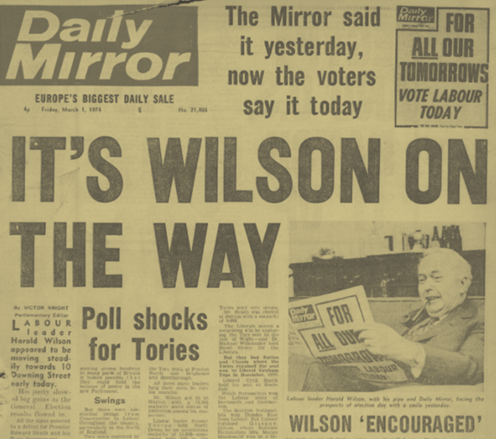
Welcome back to day three of our ongoing (and, many might argue, entirely pointless) mission to see how Britain’s sitcom characters of fore might vote in the 2024 General Election (whilst offering a rare non-job-stealing chore to ChatGPT and CoPilot).
So far, we’ve heard from Dad’s Army, Hancock’s Half Hour and Are You Being Served? in part one, then Drop the Dead Donkey, Peep Show and The Fall and Rise of Reginald Perrin in part two. Three more programmes at the polling station today, kicking off with
Hi-De-Hi!
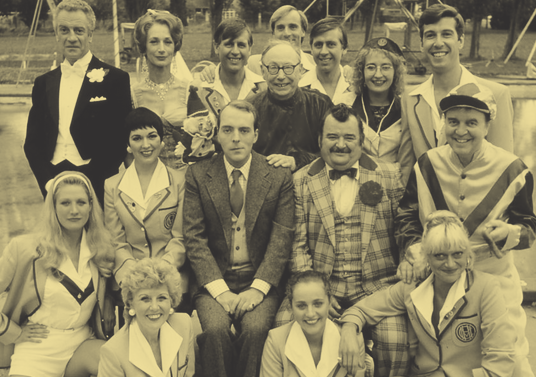
[RUBS EYES, LOOKS AT BOTTLE OF SCOTCH, LOOKS AT BALLOT SHEET, LOOKS AT BOTTLE OF SCOTCH, THROWS BALLOT SHEET OVER SHOULDER] Well, here’s a constituency with a larger than average population. But where would the Maplins massive put their respective exes? Over to you, ChatGPT:
“Hi-De-Hi!” is a British sitcom set in the 1950s at the fictional Maplin’s Holiday Camp, featuring a variety of colourful characters among the camp staff. Here’s a speculative guess on how these characters might vote in the 2024 UK General Election:
Jeffrey Fairbrother: The well-educated and somewhat bumbling entertainment manager, Jeffrey would likely support the Liberal Democrats. His academic background and moderate, thoughtful approach align well with the party’s centrist and intellectual appeal.
Ted Bovis: The camp comedian and schemer, Ted would probably vote Conservative. His pragmatic approach to life and entrepreneurial spirit fit with the party’s business-friendly policies.
Spike Dixon: The young, idealistic camp comic, Spike might lean towards Labour. His youthful enthusiasm and concern for fairness and social issues align with Labour’s progressive stance.
Gladys Pugh: The patriotic and traditional Welsh Chief Yellowcoat, Gladys would likely support the Conservative Party. Her traditional values and emphasis on duty and decorum fit well with conservative principles.
Yvonne and Barry Stuart-Hargreaves: The snobbish ballroom dancing couple, Yvonne and Barry, would almost certainly vote Conservative. Their upper-class pretensions and desire for social status align with the party’s traditional values.
Peggy Ollerenshaw: The ambitious and hard-working chalet maid, Peggy would likely support Labour. Her working-class background and desire for upward mobility align with Labour’s focus on social justice and support for the working class.
Fred Quilley: The former jockey turned riding instructor, Fred might lean towards the Liberal Democrats or Labour. His experiences with the ups and downs of life might make him sympathetic to policies that support social mobility and personal freedom.
Mr. Partridge: The misanthropic Punch and Judy man, Mr. Partridge, might support the Conservative Party, valuing their traditional and perhaps more cynical view of human nature.
Sylvia Garnsey and Betty Whistler: The other Yellowcoats, Sylvia and Betty, might have differing views but could lean towards Labour or the Liberal Democrats. Their roles in the entertainment and service industry align with parties that focus on workers’ rights and social equality.
Right, that’s all them in the computer. Personally, I’d have pegged Ted Bovis as a Labour man, but one who’d immediately switch sides if he ever landed a TV or radio gig. Over to CoPilot:
Ah, the delightful characters from Hi-De-Hi!—a classic British sitcom set in a holiday camp. Let’s imagine how they might cast their votes in the 2024 UK General Election based on their personalities and backgrounds:
Jeffrey Fairbrother (Simon Cadell):
As a former professor of archaeology at Cambridge University, Jeffrey might lean toward the Liberal Democrats. Their focus on education and intellectual pursuits could resonate with him.Ted Bovis (Paul Shane):
Ted, the camp host, is a bit of a schemer. He’d probably vote for a party that promises tax breaks or business-friendly policies. In this case, he might lean toward the Conservatives.Gladys Pugh (Ruth Madoc):
Gladys, with her Welsh charm and love for entertainment, could be a fan of the Labour Party. Their emphasis on social welfare and community support aligns with her caring nature.Spike Dixon (Jeffrey Holland):
Spike, the camp comic, is all about making people laugh. He might appreciate the Green Party for their environmental focus and commitment to a better future.Peggy Ollerenshaw (Su Pollard):
Peggy, the chalet maid, dreams of becoming a Yellowcoat. She’d likely vote for a party that champions equal opportunities and social mobility. The Labour Party fits the bill.Sqdn-Ldr Clive Dempster DFC (David Griffin):
Clive, who takes over as the new Entertainments Manager, could be a traditionalist. He might favour the Conservatives due to their historical association with stability and order.Remember, this is all in good fun, and the characters’ political preferences are purely fictional! 😄 If you want to know the real-world party standings in the 2024 UK General Election, recent polls suggest that the Labour Party is leading, followed by Reform UK, the Liberal Democrats, and the Green Party. However, for our Hi-De-Hi! gang, let’s keep it light-hearted and whimsical!
A lighter sampling of the cast there, but quite interesting that the newly-added disclaimer addendum to the suggestions completely ignores the Conservatives and the SNP, the parties with the first and third largest numbers of MPs in the Commons. Though that likely won’t be the case in a couple of months. Possibly. Long way to go yet. ONTO THE NEXT PROGRAMME.
Red Dwarf
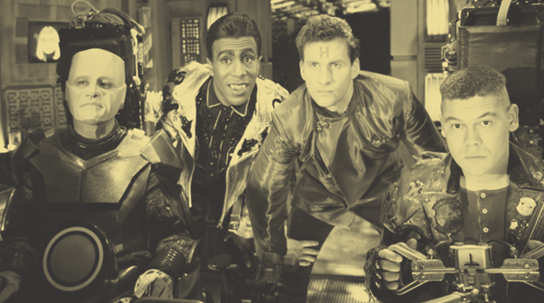
Yep, no reason to discount the boys from the Dwarf yet because they’re marooned in deep space three million years in the future. There’s always postal voting, and a few episodes have shown they’ve been able to travel back in time. So, y’know. Over to you, ChatGPT.
“Red Dwarf,” the British sci-fi sitcom set on the eponymous mining spaceship, features a cast of diverse and eccentric characters. Based on their personalities and backgrounds, here’s a speculative guess on how they might vote in the 2024 UK General Election:
Dave Lister: The laid-back, working-class last human alive, Lister would likely vote for Labour. His background, empathy for the underdog, and desire for a fairer society align with Labour’s focus on social justice and support for the working class.
Arnold Rimmer: The neurotic, status-obsessed hologram, Rimmer would almost certainly vote Conservative. His respect for hierarchy, aspiration for upward mobility, and disdain for what he perceives as laziness fit well with conservative principles.
Cat: The vain and fashion-obsessed humanoid descended from cats, Cat might not be particularly politically engaged. However, if he did vote, he might support the Liberal Democrats for their centrist and balanced approach, focusing on personal freedoms and individualism, which aligns with his self-centred personality.
Kryten: The service-oriented and highly ethical mechanoid, Kryten, would likely support the Green Party. His concern for the well-being of others, environmental awareness, and desire to serve the greater good align with the Green Party’s platform on sustainability and social justice.
Holly: The ship’s computer, Holly, with a sometimes quirky but logical personality, might lean towards the Liberal Democrats. Holly’s focus on logic and practicality fits well with their balanced and rational policies.
Kristine Kochanski: Depending on whether we’re considering the original series’ Kochanski or the alternate reality Kochanski, her vote could differ. The original series’ Kochanski, a competent and ambitious officer, might support Labour, given her practical and down-to-earth nature. The alternate reality Kochanski, who is more polished and sophisticated, might lean towards the Liberal Democrats for their progressive yet balanced stance.
Extra credit for offering responses for both Original Kochanski and Alt Reality Kochanski, there. What say you, CoPilot?
Dave Lister (Craig Charles):
Lister, the last human alive, is a laid-back, guitar-playing slob. He’d probably vote for a party that promises a good time and a relaxed approach to life. In this case, he might lean toward the Liberal Democrats—after all, they’re all about freedom and individuality.Arnold Rimmer (Chris Barrie):
Rimmer, the hologram with a massive ego, would likely vote for a party that aligns with his self-importance. Given his penchant for rules and regulations, he might lean toward the Conservatives. Plus, they’re all about maintaining order, just like Rimmer.The Cat (Danny John-Jules):
The Cat, a flamboyant humanoid feline, is all about style, fashion, and looking good. He’d probably vote for a party that appreciates aesthetics and glamour. The Green Party might catch his eye—they’re into eco-friendly fashion, after all.Kryten (Robert Llewellyn):
Kryten, the neurotic android, is all about efficiency, cleanliness, and following protocols. He’d likely vote for a party that prioritizes technology and progress. The Labour Party could be his choice—they’re all about improving living conditions for everyone.Holly (Norman Lovett):
Holly, the senile ship’s computer, might not even remember to vote. But if he did, he’d probably go for a party that promises a good laugh. Let’s say he’d vote for the Monster Raving Loony Party—because why not?Kristine Kochanski (Alternate Universe):
Kochanski, the alternate universe version of the ship’s officer, is smart, resourceful, and practical. She’d likely vote for a party that focuses on science, exploration, and innovation. The Liberal Democrats or even the Green Party could be her picks.Hmm, Dave Lister voting Lib Dem seems a bit of a stretch. Unless the rationale of it was that he’s desperately trying to impress (Alt Universe) Kochanski, of course. Onto our final programme for today.
The Young Ones
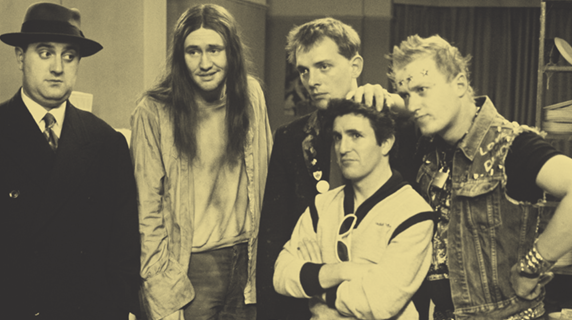
Vegetable rights and peace! Probably fair to say we’ve been ignoring the YOUNG ADULT vote so far, so let’s redress that imbalance a little. But what would the Scumbag students go for? Let’s see. ChatGPT, your starter for ten:
Rick: The self-proclaimed “People’s Poet” and wannabe anarchist, Rick would almost certainly vote for a far-left party. In the context of the 2024 election, he might support the Labour Party, especially if it has a strong socialist wing, or even a more radical left-wing party like the Socialist Workers Party or the Green Party for their progressive policies on social justice and environmental issues.
Vyvyan: The violent and destructive punk medical student, Vyvyan would likely support a party that represents rebellion against the establishment. He might lean towards the Green Party for their radical stance on change, or possibly not vote at all, dismissing the political system entirely.
Neil: The depressed, hippie pacifist, Neil would almost certainly vote for the Green Party. His deep concern for the environment, peace, and social equality aligns perfectly with the Greens’ policies.
Mike: The suave and manipulative “cool person,” Mike might vote for whichever party he believes will benefit him the most personally. Given his opportunistic nature, he could support the Conservatives for their business-friendly policies or potentially the Liberal Democrats if they promise advantageous policies for self-starters and entrepreneurs.
Alexei Sayle’s Characters: Alexei Sayle often played various exaggerated characters in the show, usually with a working-class or extreme left-wing bent. These characters would likely support far-left parties such as the Socialist Workers Party or other radical left groups.
A new addition to the list of parties, there. Not plumping for The Communist Party of Great Britain might seem a bit of a missed open goal regarding the Balowskis, but the SWP is as close as dammit (also the CPoGB dissolved in 1991). Plus, suggesting Rick would go for Starmer-era Labour suggests the data used for the machine learning is a good five years out of date. Anyway, let’s see what CoPilot go for:
Vyvyan Basterd (Adrian Edmondson):
Vyvyan, the punk medical student with an appetite for destruction, would probably vote for a party that promises chaos, rebellion, and smashing things. In this case, he might lean toward the Anarchist Party (if such a thing existed).Rick (Rik Mayall):
Rick, the self-styled “People’s Poet” and faux anarchist, would likely vote for a party that champions radical change and poetic justice. He might lean toward the Socialist Party or the Green Party.Mike (Christopher Ryan):
Mike, the serious and bossy cool person, would probably vote for a party that emphasizes stability and pragmatism. The Labour Party or the Liberal Democrats might appeal to him.Neil (Nigel Planer):
Neil, the permanently depressed, lentil-loving hippie, would likely vote for a party that promotes peace, love, and environmental consciousness. The Green Party or even the Peace and Love Party could be his choice.Skipping the problem of lumping the Balowskis into a single paragraph by just… not mentioning them makes the task a bit easier, I guess. Interesting divergence between the AI systems on this one, and a bit of cred clawed back by CoPilot in suggesting Rick would go for the SWP and that Vyv would vote Anarchist (the closest equivalent probably being the Anarchist Federation, albeit a federation of anarcho-communists rather than a political party). That said, I’ve googled ‘the Peace and Love Party’ and that just brings up a bunch of results for 60s-themed party supplies on Etsy.
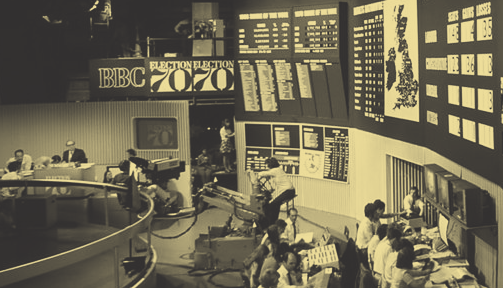
So, what are the summaries from today’s polling?
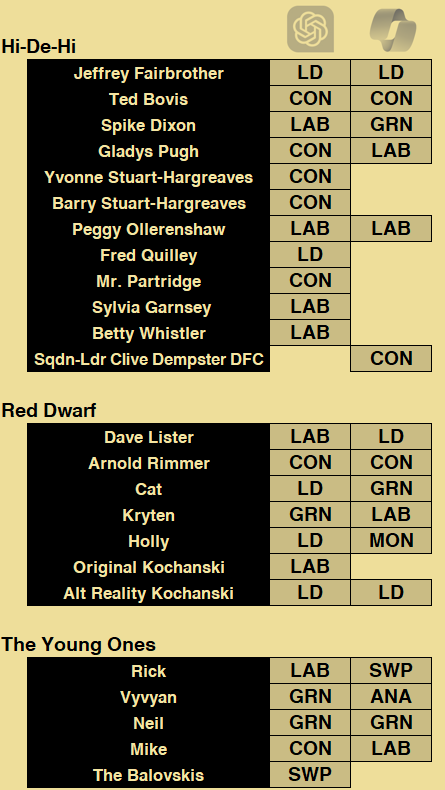
And what does that do to the overall table?
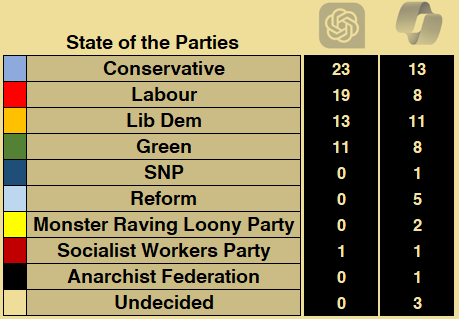
So, good news for the Tories in general, and an update that would see the Green Party rubbing their eyes in disbelief.
What could the next update bring? Time will tell. There are a lot of sitcoms still to account for, after all. Until then: bye.
-
BrokenTV’s Sitcom Swingometer Spectacular! Part 2: Drop the Dead Donkey, Peep Show and The Fall and Rise of Reginald Perrin

So, for anyone who missed yesterday’s Part One of this new series, here’s the premise. What would happen if a load of characters from old British sitcoms were allowed to (a) exist in real life, (b) were all still alive today, and (c) decided to cast a vote in the 2024 UK General Election? Well, without tracking down a bunch of original sitcom writers (or, in several cases, holding a seance), there’s no way to accurately know. It being 2024, there is the option of using generative AI to try and work out the answers, but as we all know AI isn’t actually as clever as a lot of shareholders would like to think.
Or is it? Maybe it could do a brilliant job at predicting who Private Walker et al would vote for? Or maybe, this kind of grand folly is all AI is actually good for. In any case, that’s what I’m using (using ChatGPT and CoPilot as our ‘polling companies’), and at the end of it all we’ll see which party got the most ‘votes’ in our technological exit poll, and determine just who would go on to lead The Sitcom Government for the next five years.
Yesterday, we looked at Dad’s Army, Hancock’s Half Hour and Are You Being Served?. Three more constituencies today, and here are the results from the first of them:
DROP THE DEAD DONKEY
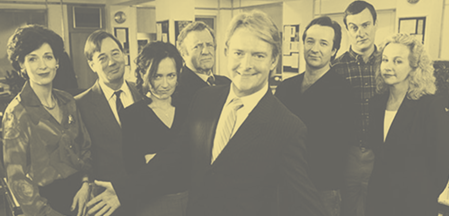
Another timely offering, the quick-turnaround topical (at the time) events of Globelink News are currently getting an airing on new channel ReplayTV, who I promise I’m not being paid by. Though, y’know, if they want to commission me as Chief Director of Programming, I’m available. Even more interestingly, the entire cast have reunited for a brand new stage show, which I’ve heard good things about.
Of course, being members of the ELITE MEDIA CLASS, they’ll all be dyed-in-the-wool Starmerites, surely? Nobody working in television news could possibly be right-wing, COULD THEY? Anyway, enough with heavy-handed obvious satire. Over to you ChatGPT.
–
“Drop the Dead Donkey,” a satirical British sitcom set in a fictional TV news company, Globelink News, features characters with distinct personalities and backgrounds that could inform their political preferences in the 2024 UK General Election. Here are some speculative guesses:
Gus Hedges: The bureaucratic and management-obsessed Chief Executive, Gus would likely vote Conservative. His focus on corporate management, efficiency, and maintaining the status quo aligns with Conservative policies.
George Dent: The neurotic and often indecisive editor, George might lean towards the Liberal Democrats. His concern for fairness and moderate views would resonate with the Lib Dems’ centrist and balanced approach.
Dave Charnley: The cynical and womanizing reporter, Dave would probably support Labour. His working-class background and disdain for authority and corporate interests align with Labour’s focus on social justice and workers’ rights.
Henry Davenport: The ageing, pompous newsreader with conservative views on social issues would most likely vote Conservative. His traditional values and resistance to change fit well with the party’s platform.
Sally Smedley: The vain and self-absorbed co-anchor, Sally might vote Conservative, valuing their stance on individualism and personal success. Alternatively, she could be drawn to whichever party she perceives as offering the most personal advantage.
Helen Cooper: The intelligent and ambitious assistant editor, Helen would likely support Labour. Her progressive views and focus on social issues such as equality and justice align with Labour’s policies.
Damien Day: The ruthless and sensationalist reporter, Damien might support the Green Party, not out of genuine concern but for the shock value and emerging trends. Alternatively, he could back any party promising radical changes or controversy, including fringe parties.
Joy Merryweather: The sharp-tongued and efficient secretary, Joy might lean towards the Green Party. Her no-nonsense attitude and possible concerns about environmental issues align with Green policies.The Greens seem to be getting a lot of traction, don’t they? Okay, over to CoPilot:
In the 2024 UK General Election, the Drop the Dead Donkey characters would likely vote based on their individual personalities and beliefs. However, since the show is a fictional comedy, we can only speculate. Let’s take a look at some of the main characters and make some light-hearted assumptions:
Joy (played by Susannah Doyle): Joy might lean toward the Labour Party due to her compassionate and empathetic nature. Labour traditionally focuses on social justice and workers’ rights.
Gus (played by Robert Duncan): Gus, being a Cornishman, could have a strong connection to the environment. He might consider voting for the Green Party, which prioritizes environmental issues.
Helen (played by Ingrid Lacey): Helen, as the office manager, might be practical and pragmatic. She could lean toward the Conservative Party, which often emphasizes economic stability and business interests.
Dave (played by Neil Pearson): Dave, the news editor, might be politically savvy. He could vote strategically to prevent the Tories from winning, possibly supporting the Liberal Democrats or another anti-Conservative party.
George (played by Jeff Rawle): George, the senior reporter, could be a bit rebellious. He might vote for the Reform UK party, which advocates for change and challenges the status quo.
Damien (played by Stephen Tompkinson): Damien, the ambitious reporter, might align with the Conservative Party due to its focus on individual success and meritocracy.
Sally Smedley (played by Victoria Wicks): Sally, the foreign correspondent, could be open-minded and progressive. She might consider voting for the Liberal Democrats or the Green Party.
Well, at least that confirms CoPilot’s training data includes at least one person who hasn’t actually watched an episode of Drop the Dead Donkey. The famously “compassionate and empathetic” Joy, indeed. And I don’t recall anything about Gus bring Cornish. Plus, they forgot about Henry, who’s one of the main characters. Tsk.
Anyway, onto our next show. Fire up the sound of Harvey Danger, it’s…
PEEP SHOW

Over to the ChatGPT jury.
“Peep Show,” a British sitcom known for its dark humour and exploration of the dysfunctional lives of its main characters, provides a rich basis for speculating on their voting preferences in the 2024 UK General Election. Here’s a guess on how the main characters might vote:
Mark Corrigan: Mark, the uptight and conservative loan manager with a love for history and structure, would likely vote Conservative. His appreciation for order, traditional values, and career stability aligns with Conservative policies.
Jeremy “Jez” Usborne: Jez, the laid-back and hedonistic aspiring musician, would probably support the Green Party. His countercultural lifestyle, interest in alternative lifestyles, and occasional flirtations with progressive ideals align with the Greens’ focus on environmental and social justice issues.
Sophie Chapman: Sophie, Mark’s on-and-off girlfriend and colleague, might lean towards the Liberal Democrats. Her middle-of-the-road, pragmatic approach to life and relationships fits well with the Lib Dems’ centrist and moderate positions.
Super Hans: Super Hans, the erratic and drug-addled musician, could be a wildcard. He might support an anti-establishment party like the Greens for their radical policies or even a fringe party that promises upheaval and chaos.
Dobby (Deborah): Dobby, the quirky and geeky IT technician, would likely support Labour. Her progressive views, concern for social issues, and background in the tech industry align with Labour’s emphasis on social justice, public services, and support for workers.
Johnson: Alan Johnson, the confident and career-driven businessman, would almost certainly vote Conservative. His admiration for Thatcherite principles and his focus on success and individualism fit perfectly with Conservative values.
Big Suze: Big Suze, the posh and somewhat naive ex-girlfriend of Jeremy, might lean towards the Liberal Democrats or Conservatives. Her upper-class background and generally apolitical, easy-going nature could fit with either party, depending on her social circle and personal influences.
Nancy: Nancy, the free-spirited American who dates Jeremy, would likely support the Green Party. Her progressive, new-age attitudes and concern for the environment align well with the Greens’ platform.Hmm. I personally think Mark would be keener to go with Labour, such is the way he seems determined to ‘seem’ right-on, lacking the self-awareness to realise how selfish and self-serving he actually is. Plus, I suspect Nancy wouldn’t have ever got around to registering to vote (though you can guarantee her parents back home will be Republicans). Anyway – with quite a bit of credibility for it to make up – over to CoPilot:
In the 2024 UK General Election, the Peep Show characters’ voting preferences would likely be influenced by their personalities and backgrounds. While we can only speculate, let’s imagine how some of the main characters might vote:
Mark Corrigan: Mark, being a socially awkward and neurotic character, might lean toward the Conservative Party. Their focus on stability and traditional values could resonate with him.
Jeremy “Jez” Usborne: Jez, the laid-back musician, could be more progressive. He might consider voting for the Green Party, which emphasizes environmental issues and social justice.
Sophie Chapman: Sophie, Mark’s love interest, could be practical and level-headed. She might vote for the Liberal Democrats, who often advocate for civil liberties and individual rights.
Super Hans: Super Hans, the wild and unpredictable friend, might not take politics too seriously. He could vote for a fringe party like Reform UK or even joke about writing in his own name.
Johnson: Johnson, the bumbling office manager, might align with the Conservative Party due to his bureaucratic tendencies and desire for order.
Dobby: Dobby, the quirky IT girl, could be socially conscious. She might lean toward the Labour Party, which focuses on equality and social welfare.A very similar set of choices there, though I can certainly imagine Super Hans going for Reform and misguidedly trying to make out they’re actually the only true liberals on the ballot.
Anyway, onto our last programme:
THE FALL AND RISE OF REGINALD PERRIN

ChatGPT didn’t get where it is today by not knowing about Leonard Rossiter’s finest hour:
“The Fall and Rise of Reginald Perrin” is a British sitcom that follows the life of Reginald Perrin, a middle-aged sales executive who experiences a mid-life crisis and attempts to escape his mundane existence. Here’s a speculative guess on how the main characters might vote in the 2024 UK General Election:
Reginald “Reggie” Perrin: Reggie, the disillusioned and increasingly rebellious protagonist, would likely vote for a party promising significant change. Given his disdain for the corporate world and his existential struggles, he might lean towards the Green Party for their radical environmental and social policies or even a more fringe party like the Liberal Democrats if they promise substantial reform. Alternatively, he could support Labour if they present a strong platform for social justice and anti-establishment sentiments.
Elizabeth Perrin: Reggie’s supportive and understanding wife, Elizabeth, might lean towards the Liberal Democrats. Her calm and reasonable nature aligns with the party’s centrist and balanced approach to politics.
C.J. (Charles Jefferson): Reggie’s pompous and bureaucratic boss, C.J., would almost certainly vote Conservative. His traditional views, emphasis on hierarchy, and conservative approach to business and management fit well with Conservative policies.
Joan Greengross: Reggie’s secretary, Joan, might lean towards Labour. Her working-class background and straightforward demeanor align with Labour’s focus on workers’ rights and social equality.
Tony Webster: Tony, the overly optimistic and somewhat naive colleague, might support the Liberal Democrats. His idealistic nature and desire for progress fit well with their centrist and forward-thinking platform.
David Harris-Jones: The nervous and sycophantic colleague, David, would likely vote Conservative, mirroring C.J.’s preferences. His desire to fit in and avoid conflict would lead him to follow the more traditional and established path.
Doc Morrisey: The eccentric company doctor, Doc Morrisey, could be a wildcard. Given his unconventional methods and quirky personality, he might support the Green Party for their progressive and unconventional approach to politics and healthcare.
Tom and Linda Patterson: Reggie’s daughter and her husband, with their conventional suburban lifestyle, might lean towards the Conservative Party. Their focus on family and stability aligns with Conservative values.Right. Over to you, CoPilot. Great. Super.
In the 2024 UK General Election, the characters from The Fall and Rise of Reginald Perrin would likely vote based on their individual personalities and fictional backgrounds. Let’s imagine how some of the main characters might lean:
Reginald “Reggie” Perrin: Reggie, the middle-aged middle manager, might be disillusioned with the pointlessness of his job at Sunshine Desserts. He could lean toward the Reform UK party, which advocates for change and challenges the status quo. However, given his existential crisis, he might also consider voting for a more radical party.
CJ: Reggie’s boorish boss CJ might align with the Conservative Party, emphasizing stability and traditional values. His catchphrase (“I didn’t get where I am today…”) suggests a certain self-interest.
Tony and David: Reggie’s yes-men colleagues Tony (“Great!”) and David (“Super!”) might follow CJ’s lead and vote for the Conservatives as well.
Elizabeth: Reggie’s lovely but colourless wife Elizabeth might lean toward the Liberal Democrats, who often advocate for civil liberties and individual rights.
Linda: Reggie’s annoyingly bouncy daughter Linda could be socially conscious. She might consider voting for the Green Party, which emphasizes environmental issues and social justice.
Joan: Reggie’s weakly smouldering secretary Joan might be pragmatic. She could vote for the party that promises stability and economic growth.Okay, time to summarise what we’ve seen today:
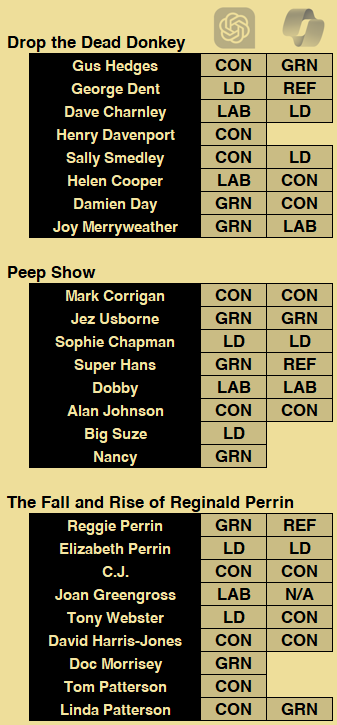
And, adding these votes to our ongoing table, here how the parties stand after results from six constituencies:
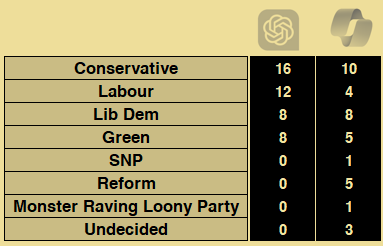
A surprising lurch to the right so far, then – especially as far as CoPilot seems to think – with even Reform outperforming Labour. That could be down to inherent biases within two AI packages, or it could be down to our notional electorate mainly being easily-lampooned subclasses of various societies that don’t really exist any more. Only one way to find out for sure – I’ll keep shovelling data into it.
In short: more of this nonsense very soon.
-
BrokenTV’s Sitcom Swingometer Spectacular! Part 1: Dad’s Army, Hancock, Are You Being Served?

Or, if you prefer, I Asked Two AI Programs How Classic British Sitcom Characters Would Vote in the 2024 General Election. The results may surprise you. Not going to lie, they surprised me.

So, there’s a General Election about to happen in the UK (don’t forget to register if you haven’t already, and remember that even if you don’t have photo ID you can still do postal voting).
A big part of any General Election cycle is seeing all the opinion polls go up and down and wobble about a bit. And, obviously, a similarly sizeable section of the cycle is “passing that long campaigning period by contributing to Britain’s nonsense reserves by trying to find something to say about the whole sorry debacle”.
Here’s my offering.
So, what if we tallied up the presumed votes from various classic British sitcom characters to see which of the 2024 Political Parties would fill the majority of Sitcomland’s Parliament? That would be interesting, wouldn’t it? And, in keeping with Britain’s TV Election Night coverage since time immemorial, I’m going to skirt any personal responsibility by blaming my predictions on computers. And as it’s 2024, let’s use AI.
For the purposes of this grand folly, I’m going to see what both CoPilot and ChatGPT think. I was also going to use Google’s Gemini, but that didn’t even understand the bloody question:

Hardly a surprise from a piece of tech that recommends using glue to prevent cheese falling off your pizza. So, the big two it is.
Quick ground rules: I’ll let the software decide who constitutes a main character from each, and if it suggests more than one likely party we’ll use the first suggestion as gospel. Any suggested parties that don’t actually exist, we’ll run with the nearest modern equivalent. And we’ll keep a running total at the end of each update. Sorted.
We’ll start the batting with three well-known sitcoms containing a good old cross-class mixture of characters. First up to the crease: the Warmington-on-Sea Home Guard.
DAD’S ARMY

“Don’t tell him (who you’ll be voting for), Pike.” Crossing my fingers that neither chunk of AI tech uses this information to ultimately enslave humanity, over to ChatGPT. So, in the 2024 UK General Election, which parties would the characters from Dad’s Army vote for?
“Dad’s Army,” a beloved British sitcom set during World War II, features characters who represent a variety of social classes and political views. If they were to vote in the 2024 UK General Election, their choices would likely reflect their personalities and backgrounds. Here are some speculative guesses:
- Captain Mainwaring: A staunchly patriotic and conservative bank manager, Mainwaring would likely support the Conservative Party. His traditional values and leadership style align well with conservative principles.
- Sergeant Wilson: As an upper-middle-class gentleman with a relaxed demeanour, Wilson might lean towards the Liberal Democrats. His more liberal and inclusive outlook on life fits with the party’s moderate and centrist positions.
- Lance Corporal Jones: A patriotic and somewhat old-fashioned butcher, Jones is fiercely loyal to his country. He would probably vote Conservative, valuing their stance on national security and tradition.
- Private Frazer: A cynical and often pessimistic undertaker, Frazer might be drawn to a party with a strong stance on social justice and financial responsibility. He could support the Labour Party, particularly if they emphasize economic fairness and public services.
- Private Godfrey: The gentle and kind-hearted medic, Godfrey would likely support the Green Party. His caring nature and concern for the well-being of others and the environment align with Green policies.
- Private Walker: As a wheeler-dealer with a knack for business, Walker might support whichever party he sees as beneficial for his entrepreneurial interests. This could be the Conservatives for their business-friendly policies or possibly a party like Reform UK, depending on the political landscape and his personal views on Brexit and deregulation.
- Private Pike: The youngest member of the platoon, Pike’s vote could go towards Labour. His youth and idealism might draw him to a party promising social progress and opportunities for young people.
A surprisingly cogent summary, there. It didn’t even suggest any of them have eight fingers or anything, though I personally think Fraser would go SNP. Over to you, CoPilot:
Ah, the delightful characters from Dad’s Army! Let’s take a look at some of the iconic members of the Walmington-on-Sea Home Guard and speculate on their political leanings:
- Captain George Mainwaring (portrayed by Arthur Lowe): As the pompous yet patriotic local bank manager, Captain Mainwaring would likely align with the Conservative Party. His sense of duty and traditional values would resonate with their platform1.
- Sergeant Arthur Wilson (portrayed by John Le Mesurier): The mild-mannered bank clerk and Mainwaring’s second-in-command might lean toward the Liberal Democrats. Wilson’s pragmatic approach and desire for compromise would align with their centrist policies.
- Lance-Corporal Jack Jones (portrayed by Clive Dunn): The aging butcher and war veteran, Jones, would probably support the UK Independence Party (UKIP). His catchphrase “Don’t panic!” and love for the British Empire reflect a nostalgic view that resonates with UKIP’s stance on sovereignty and independence.
- Private Joe Walker (portrayed by James Beck): As the black marketeer and shrewd businessman, Walker would likely vote for whichever party promised economic prosperity. His opportunistic nature might lead him to support the party with the most favourable business policies.
- Private Frank Pike (portrayed by Ian Lavender): The young and innocent Pike would likely be drawn to the Green Party. His idealism and concern for the environment align with their focus on sustainability and conservation.
- Private James Frazer (portrayed by John Laurie): The dour Scottish undertaker would probably lean toward the Scottish National Party (SNP). Frazer’s scepticism and desire for independence resonate with the SNP’s goals for Scotland.
- Private Charles Godfrey (portrayed by Arnold Ridley): The gentle and elderly medic would likely support the Liberal Democrats. His compassionate nature and desire for social welfare align with their policies.
An interesting convergence, there. While it’s open to interpretation who Walker would go for, and UKIP are basically now Reform, that’s basically just two of the seven main characters the AI bots are in agreement with. Anyway, I can’t stand around pondering if Private Cheeseman would’ve gone for Labour or Plaid, I’m off to East Cheam.
HANCOCK’S HALF HOUR

Some topical timing, as this update goes live on the same weekend Tony Hancock’s ATV series gets a first showing on actual telly since 1963 (on Rewind TV, Sky channel 190, which is already full of some lovely stuff. The first episode is accompanied on Sunday night by Dave Allen’s documentary on the Great British Eccentric, which is Peak Telly as far as I’m concerned). But it’s the BBC original we’re looking at here. Over to you, ChatGPT. In the 2024 UK General Election, which parties would the characters from Hancock’s Half Hour vote for?
“Hancock’s Half Hour,” another classic British sitcom, revolves around the life of Anthony Aloysius St John Hancock and his interactions with his friends. Here’s a speculative guess on how the main characters might vote in the 2024 UK General Election:
- Tony Hancock: As the main character, Hancock is often depicted as a frustrated, slightly snobbish, and somewhat self-important figure with a deep sense of irony and social awareness. He might vote for Labour, as he often portrays a common man dealing with the absurdities of life, showing sympathy towards the working class and social justice issues. Alternatively, his occasional pretentiousness and desire for status might push him towards the Conservative Party if he thinks it aligns with his aspirations.
- Sidney Balmoral James: Sid James, the roguish, cunning, and often opportunistic character, would likely support the Conservative Party for its business-friendly policies, given his entrepreneurial nature and schemes. However, he might also be pragmatic and vote for any party that promises to benefit him personally, possibly even considering Reform UK or another party with a focus on deregulation.
- Bill Kerr: Bill, often depicted as naïve and loyal, might vote for Labour, reflecting his working-class roots and straightforward, everyman attitude. His simplicity and sincerity align with the values of fairness and social support typically championed by Labour.
- Miss Griselda Pugh: Miss Pugh, the secretary with a sharp tongue and practical mindset, might lean towards the Liberal Democrats. Her independent and no-nonsense attitude could find a home in a party that emphasizes moderation, pragmatism, and individual rights.
- Kenneth Williams (Various Roles): Kenneth Williams played various roles, often with a more flamboyant and intellectual twist. Depending on which character he’s embodying, he might support a range of parties. Generally, his more educated and sometimes elitist personas could lean towards the Liberal Democrats for their intellectual appeal and centrist policies. Alternatively, some of his more conservative roles might support the Conservative Party.
First, bonus points to ChatGPT for going with the radio series over the TV version. Secondly, I’m confiscating those bonus points for missing that Tony Hancock(‘s character of the same name) states that he’s a Tory in The Blood Donor. Though one could specify that it’s the 2024 versions of each party we’re looking at here, so I’m giving the points back again. Anyway, over to you, CoPilot.
Ah, Hancock’s Half Hour! A classic radio and television comedy series that left an enduring mark on British humour. Let’s delve into the fictional political preferences of some of its beloved characters:
- Tony Hancock (portrayed by himself): As the bumbling and perpetually frustrated comedian, Hancock might find himself torn between various parties. His indecisiveness could lead him to vote for the Monster Raving Loony Party just for the sheer absurdity of it.
- Sidney James (portrayed by himself): The unscrupulous landlord and Hancock’s foil would likely lean toward the Conservative Party. James’s cunning and opportunistic nature align with their traditional values.
- Hugh Lloyd (portrayed by himself): The good-hearted and somewhat naive Hugh would probably support the Labour Party. His empathy for the common man and desire for social justice resonate with their platform.
- Clive Dunn (portrayed by himself): As the lovable and absent-minded Corporal Jones, Dunn might vote for the UK Independence Party (UKIP). His catchphrase “Don’t panic!” could easily translate to “Take back control!”
- Kenneth Williams (portrayed as various unnamed characters referred to as “Snide”): The versatile Williams would likely play the field, attending rallies of every party just to gather material for his next witty monologue.
Okay, just pretending to know it all by starting “Ah, [name of thing]” is much less convincing when you think Corporal Jones was also in Hancock’s Half Hour. So, I’ll ignore that. But interesting answers otherwise. Okay, onto our last programme.
ARE YOU BEING SERVED?

Ooh, sounds like the title of a manifesto, doesn’t it? What do our robot overlords think here? Hoi, ChatGPT – in the 2024 UK General Election, which parties would the characters from Are You Being Served vote for?
“Are You Being Served?” is a British sitcom set in the fictional department store Grace Brothers, featuring a range of colourful characters. Based on their personalities and backgrounds, here are speculative guesses on how the main characters might vote in the 2024 UK General Election:
- Mr. Wilberforce Claybourne Humphries: Mr. Humphries, the flamboyant and witty salesman, might lean towards the Liberal Democrats. His progressive and inclusive nature aligns with their policies on social justice, individual freedoms, and LGBTQ+ rights.
- Mrs. Betty Slocombe: Mrs. Slocombe, with her working-class background and strong opinions, might support the Labour Party. Her concerns about job security, fair wages, and social equality resonate with Labour’s platform.
- Captain Stephen Peacock: Captain Peacock, the dignified floorwalker with a military background, would likely vote Conservative. His conservative demeanour, emphasis on tradition, and respect for authority align well with the party’s values.
- Mr. Cuthbert Rumbold: Mr. Rumbold, the somewhat bumbling and bureaucratic manager, might support the Conservative Party, reflecting his managerial role and desire for stability and business-friendly policies.
- Miss Shirley Brahms: Miss Brahms, the young and trendy saleswoman with a Cockney accent, might lean towards Labour. Her working-class roots and youthful energy align with Labour’s focus on social mobility, education, and opportunities for young people.
- Mr. Dick Lucas: Mr. Lucas, the cheeky junior salesman, might support Labour or potentially the Green Party, given his youthful outlook and likely progressive stance on social issues and the environment.
- Mr. Ernest Grainger: Mr. Grainger, the grumpy and traditional senior salesman, would likely vote Conservative. His old-fashioned views and resistance to change fit well with the party’s traditional and conservative policies.
- Mr. Beverley Harman: Mr. Harman, the maintenance man with a rough-around-the-edges charm, might support Labour. His working-class background and straightforward nature align with Labour’s focus on workers’ rights and social justice.
Okay, over to you CoPilot.
Let’s imagine the political leanings of some of its iconic characters:
- Mrs. Slocombe (portrayed by Mollie Sugden): The flamboyant and fashion-conscious head of the ladies’ department would likely lean toward the Liberal Democrats. Her colourful personality and desire for individual expression align with their centrist policies.
- Mr. Humphries (portrayed by John Inman): The cheeky and effeminate senior sales assistant might vote for the Green Party. His love for nature, quirky humour, and commitment to equality resonate with their environmental and social justice agenda.
- Captain Peacock (portrayed by Frank Thornton): As the pompous floorwalker, Captain Peacock would probably align with the Conservative Party. His adherence to hierarchy, traditional values, and penchant for authority mirror their platform.
- Mr. Lucas (portrayed by Trevor Bannister): The cheeky junior sales assistant would likely support the Labour Party. His rebellious streak, desire for fairness, and working-class background resonate with their policies.
- Miss Brahms (portrayed by Wendy Richard): The sassy and stylish junior sales assistant might lean toward the Liberal Democrats. Miss Brahms’s modern outlook, ambition, and desire for progress align with their centrist stance.
- Mr. Grainger (portrayed by Arthur Brough): The elderly and somewhat grumpy senior sales assistant would probably vote for the UK Independence Party (UKIP). His nostalgia for the past and scepticism about change resonate with their platform.
Well, more divergence. At least this proves they aren’t both sucking up information from the same source. So, here’s a summary of the results we’ve seen from each, erm, polling company:

And a rundown of how the parties are looking based on our three constituencies so far:

A split in the voting, and a surprise lead for the Liberal Democrats according to CoPilot. Still, early days yet. It could all change once we get to the results for… I haven’t decided yet. Fawlty Towers, Sunnyside Farm and Justin’s House?
Anyway, until next time. I’ve been David Dimbleby and you’ve been marvellous. Goodnight.


BrokenTV
Welcome, welcome, welcome home
 BrokenTV