
A few days ago, there was a thread doing the rounds on BlueSky asking for nominations on the greatest Greatest Hits album of all time. As could reasonably be expected, that basically just became a list of people’s favourite acts, with many responses not even being Greatest Hits or even Best Of albums, just regular albums. Oh, BlueSky. Still a billion times better than X, obviously.
That got me thinking. It’s easy to think of a potential greatest Greatest Hits album, but what would be the worst? Or, to be more specific (given musical taste is subjective), what’s the least accurate ‘Greatest Hits’ album ever issued in the UK? An album called Greatest Hits that doesn’t contain any actual hit records. Now, that’s what I call a pointless data analysis challenge.
THE GROUND RULES
Okay. How are we going to do this? Well, firstly – it has to be a compilation album with the words “Greatest” and “Hits” somewhere in the title. You can keep your “The Best of” and your “Singles Collection” records, they don’t apply here.
There are lots of artists who’ve had careers full of great songs without ever troubling the Top 75, and they’re not making any boasts otherwise in the titles of their compilations. We’re only after acts that promise something they can’t deliver.
Next: the album has to have been issued in the UK. No point crowing about a Greatest Hits album by a band that never pretended to seek success in the UK.
Okay, so where does that get us? Well, a search of Discogs for “Greatest Hits” alone results in a total of “99.9K+ results“, so we definitely need to thin that out a little. Restricting the search to UK releases only brings it down to 6,997 results. That’s quite a bit better. Cutting it down further, to releases considered long player records by a single artist (so, removing a lot of Stars on 45-style medleys and EPs, plus albums credited as Various Artists) brings it down still further. We’re now down to 3,144 results. Lastly, let’s only include one Greatest Hits record per act – a lot of older acts have had multiple, but it’s the artists we’re looking at rather than individual albums.
That leaves a total of 710 artists to have released Greatest Hits albums in the UK. That’s a number I can work with.
THE METHOD
But how are we going to define a hit? Well, that’s where someone else’s legwork comes in. Thankfully, Kaggle user Jack Hollister has compiled a sheet containing details of every UK singles chart from 1952 to 2024. Inconveniently, each week is on an individual tab, but we can use Excel’s Power Query to get them all into a single list. And Discogs has a public API anyone can use to extract results, so a Python script can pull out details of those 3,144 results and save them to a nice CSV file.
Now it’s just a matter of marrying the two lists. Except! No, it isn’t. The Official Charts site (from where that Kaggle data seems to be sourced) has a habit of tidying up artist names. So, you’ll see “&” instead of “and”, while band names with a ‘The’ suffix will generally – but not always – see that definite article cropped out of the band name. Which is why The Queen Is Dead is credited to a band called Smiths on there. So, there’ll need to be quite a lot of data cleanse needed for this to work. Gah.
Once all that’s done, another thing becomes clear. The phrase “greatest hits” is being used quite incorrectly in many cases, it seems. It wouldn’t really be fair to Chopin’s Greatest Hits in such a list when Frédéric Chopin died 103 years before the first UK chart was published. On top of that, there are a lot of albums called things like Country & Western’s Greatest Hits where a lot of popular songs are being covered by a group of session musicians, but not the original artists. Not going to count those, either.
And lastly – my favourite – acts who have put out albums called Greatest Hits in the full knowledge that they’re too niche to have actually had any hits anywhere. Such as Baby Bird’s Greatest Hits (a compilation of songs from Stephen Jones’ early limited-run lo-fi albums for the US market), Throbbing Gristle’s Greatest Hits (no further explanation needed) or The Space Lady’s Greatest Hits, a compilation of songs by outsider artist Susan Dietrich which is great and should be checked out by everyone.
All of which means we need…
ONE MORE GROUND RULE
To get included in this list, an act needs to have had at least one single reach the Top 100 Singles Chart in the UK. Having to do that is a bit annoying, but otherwise this would just be a list of the 252 artists, many of which shouldn’t really count anyway.
Okay, on with the list! Each of these have had just one charting single in the UK (thereby making ‘Greatest Hits‘ an immediate misnomer), so these are sorted by the highest-to-lowest peak chart position. Where there’s a draw in peak chart position, the artist with the greater number of weeks on the chart will be deemed more successful.
In short, it’s the twenty most tenuous definitions of “Greatest Hits” in UK chart history.
THE LIST!
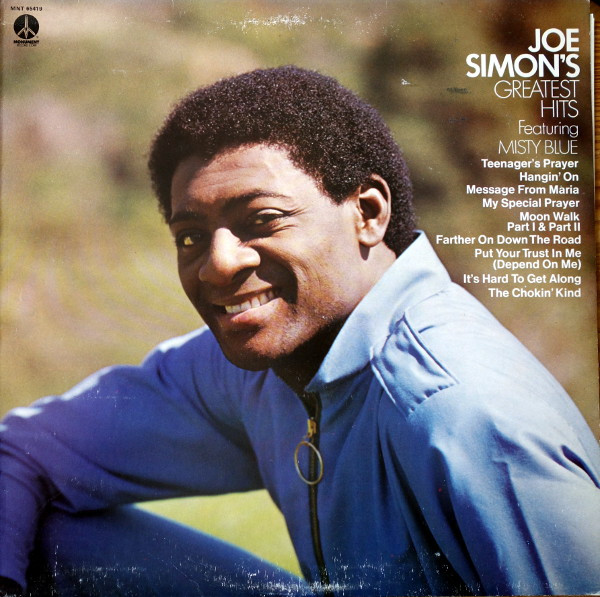
- Joe Simon – Joe Simon’s Greatest Hits (1972)
The hit single: Step by Step
Peak position: 14 (8 July 1973- 14 July 1973)
Weeks on chart: 10
Right at the starting line, here’s a compilation that foolishly jumps the gun in the UK, with soul singer Joe Simon‘s first Greatest Hits compilation arriving a year before his UK singles chart debut. It wouldn’t be until his third Greatest Hits album (yes, third) in 1982 (By Popular Demand: Joe Simon’s Greatest Hits Volume 2) that his sole UK hit single would grace such a disc.
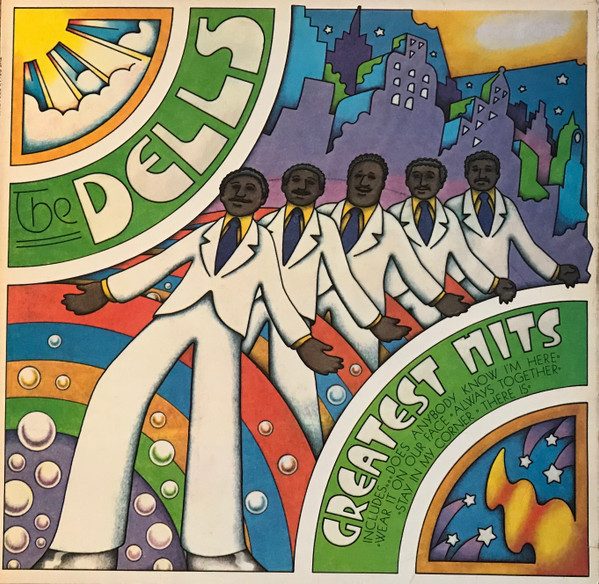
- The Dells – The Dells Greatest Hits (1969)
The hit single: I Can Sing A Rainbow – Love Is Blue
Peak position: 15 (3 August 1969- 9 August 1969)
Weeks on chart: 9
Oof, what an excellent album cover. Everything seems to be lined up nicely here for funk/soul outfit The Dells. Their Greatest Hits record arriving in August 1969, with I Can Sing A Rainbow – Love Is Blue arriving at the same time. And yet, that song wasn’t on that compilation. In fairness, at the time of release it hadn’t been a hit yet. It doesn’t do to be presumptuous. It did make it to their subsequent Greatest Hits Volume 2, however.
Also worth noting that in 1972, the band released “The Dells Sing Dionne Warwicke’s* Greatest Hits“. Bit cheeky. Get your own hits!
(*As she was briefly known at the time, with differing sources claiming it being a spelling error being kept for marketing reasons, or on the advice of Warwick’s astrologer friend Linda Goodman, who incorrectly believed it would bring about greater success.)
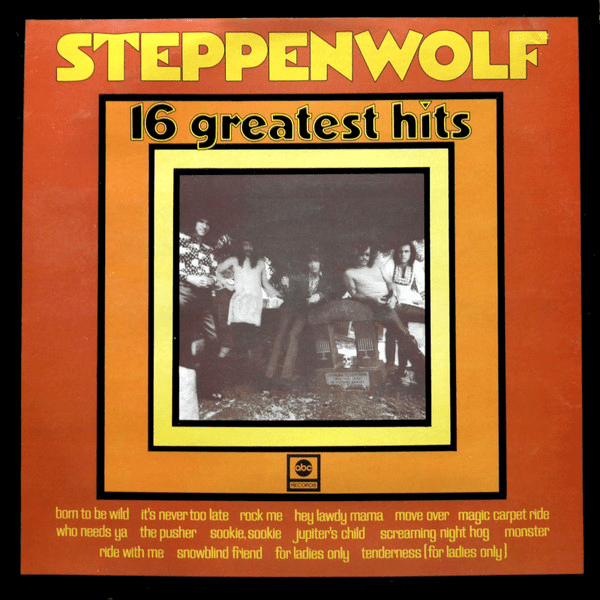
- Steppenwolf – 16 Greatest Hits (1973)
The hit single: Born To Be Wild
Peak position: 18 (21 February 1999- 27 February 1999)
Weeks on chart: 16
Catnip for any reply guys armed with “But They Were An Album Band!”, here’s Steppenwolf and the only song of theirs that normal people could name. There were a bunch of singles released by the band in North America (though only three of them made the Billboard Top 20, so a title suggesting it was hard to narrow them down to sixteen is a bit of a stretch), hence this compilation. In the UK, it wasn’t until a 1999 reissue that Born To Be Wild made it to the Top 20 – the original issue only got as far as number 30, though did hang around long enough to go platinum.
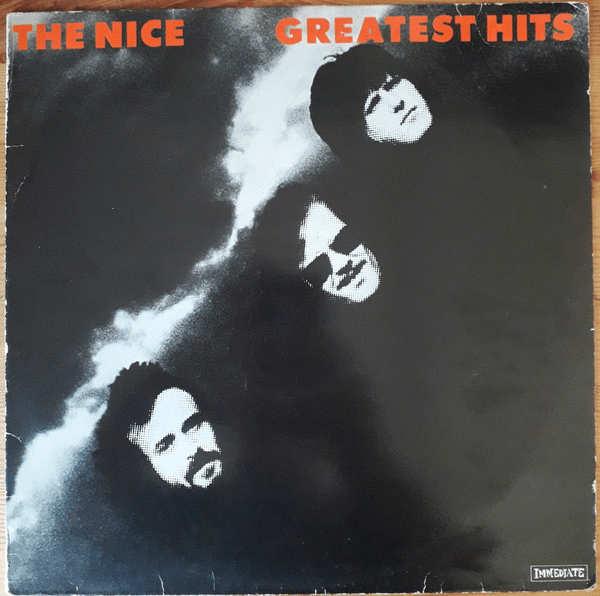
- The Nice – Greatest Hits (1977)
The hit single: America
Peak position: 21 (18 September 1968- 24 September 1968)
Weeks on chart: 15
With a band name like The Nice, you kind of want them to be a Death Metal band. At least I do. As it goes, this prog rock outfit (sample song title on the compilation: The Diamond Hard Blue Apples Of The Moon) scored a chart hit with America, a song adapted from West Side Story. Not the last time we’ll see a reference to that on this list.
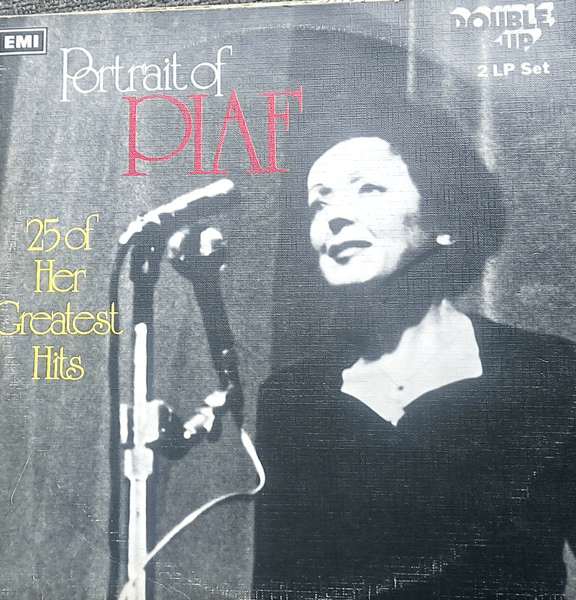
- Edith Piaf – Portrait of Piaf – 25 Of Her Greatest Hits (1973)
The hit single: Milord
Peak position: 24 (22 December 1960- 28 December 1960)
Weeks on chart: 15
I mean, I’m sure Edith Piaf regrets nothing. But the simple fact is that the song you’d probably expect to see as the sole chart single here isn’t the one you’d expect. There wasn’t even a charting reissue after the Stephen Fry Heineken Export advert that made good use of the song. Or from when The All-New Alexei Sayle Show did a parody of it. Instead, it’s Milord, a song used to open Piaf’s original Greatest Hits set (with, fittingly, Non, Je Ne Regrette Rien as the closer.
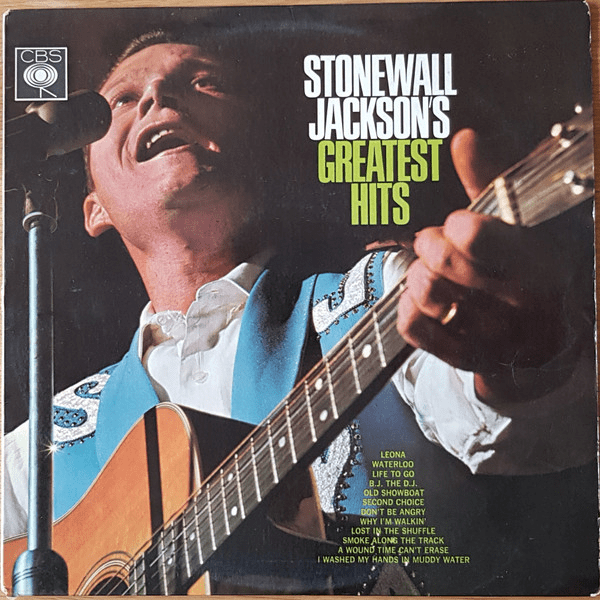
- Stonewall Jackson – Greatest Hits (1965)
The hit single: Waterloo
Peak position: 24 (17 July 1959- 23 July 1959)
Weeks on chart: 2
One to file under “Had Lots of Hits in the US Country Chart”, though only one that made the full Billboard chart over there. That was Waterloo, the same record that briefly charted in the UK in July 1959, and which is present and correct on this compilation. In total, there were a total of 11 different Greatest Hits compilations bearing Stonewall Jackson‘s name, one of which was on the – yes! – K-Tel Records label. Though don’t go looking for that version in charity shops, it was a download-only album from 2022.
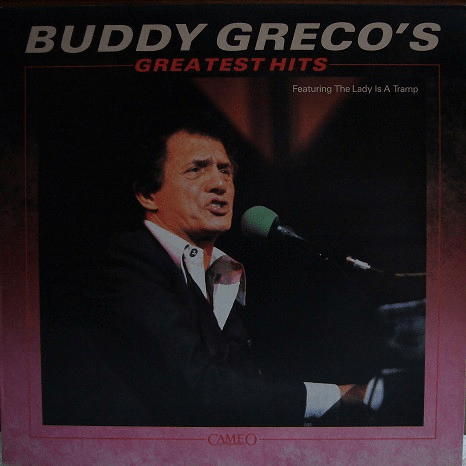
- Buddy Greco – Buddy Greco’s Greatest Hits (1984)
The hit single: The Lady Is A Tramp
Peak position: 26 (21 July 1960- 27 July 1960)
Weeks on chart: 8
Amongst all the artists on this list, jazz singer and pianist Armando Joseph “Buddy” Greco is one that arguably enjoyed the closest association with Britain. He first visited the UK in 1949, and would later swap life in Palm Springs for a new home in Essex. Greco enjoyed a longstanding association with the UK – in 2008, as part of a tour with wife Lezlie Anders he performed alongside the BBC Big Band and at Ronnie Scott’s. A couple of years later, he led the BBC Concert Orchestra in a tribute to Frank Sinatra for Radio 2, and on New Year’s Eve 2011 he performed in BBC2’s annual nothing-else-on-fest Hoonenanny, singing Fly Me to the Moon.
And yet, it’s fair to say he wasn’t really a singles act. The only time one of this songs troubled UK chart compilers was in 1960, with The Lady is a Tramp.
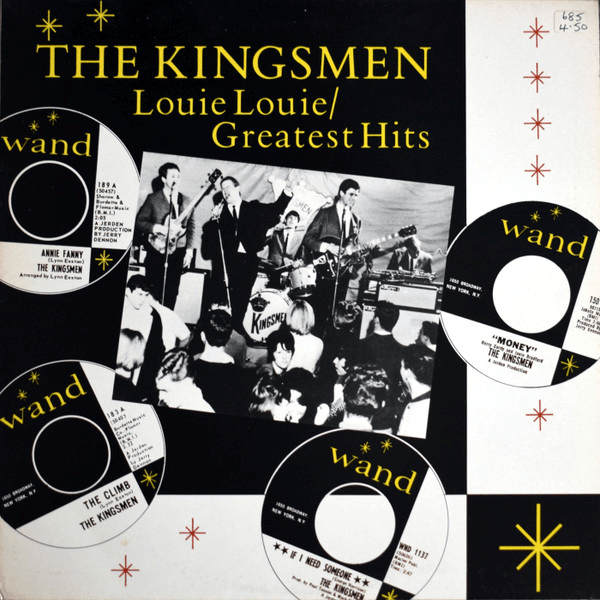
- The Kingsmen – Louie Louie / Greatest Hits (1986)
The hit single: Louie Louie
Peak position: 26 (13 February 1964- 19 February 1964)
Weeks on chart: 7
Most famous for a song that fans of 24 Hour Party People (the film) will associate with Dave Gorman as a Jon the Postman bellowing it out on stage after the Sex Pistols gig at Manchester’s Lesser Free Trade Hall, here’s Oregon’s finest with a compilation that freely admits what the main draw is. Had several more hits in their native USA, but in Old Blimey there was just the one.
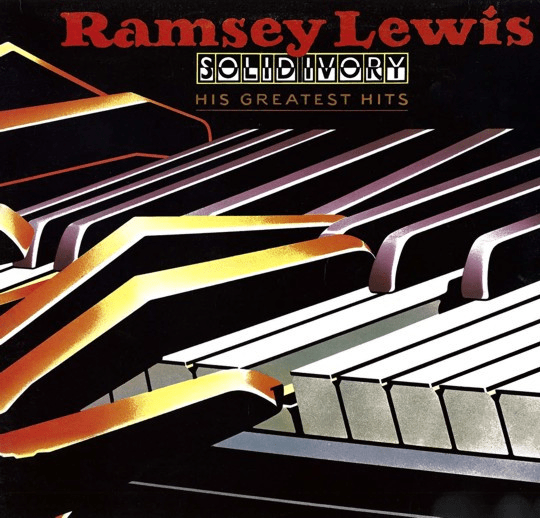
- Ramsey Lewis – Solid Ivory: His Greatest Hits (1976)
The hit single: Wade In The Water
Peak position: 31 (30 April 1972- 6 May 1972)
Weeks on chart: 8
More soul-jazz here, and some very nice album art. The album itself mostly contains reinterpretations of songs originally performed by other people, including a quartet of Beatles classics, but it was Ramsey Lewis‘ self-penned Wade in the Water that reached the UK Top 40 in 1972. That’s present and correct here, and it’s certainly worth visiting this album (or one of the eight other Greatest Hit compilations bearing his name) for that, but do sure to also check his version of Minnie Ripperton’s Les Fleurs, which is a treat.
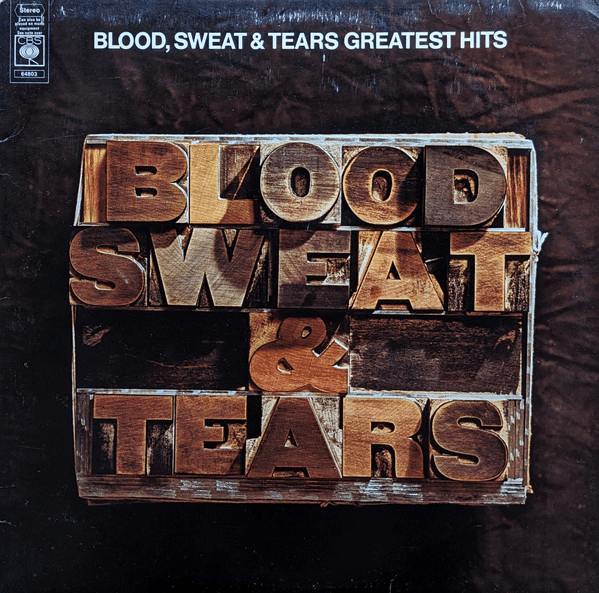
- Blood, Sweat and Tears – Blood, Sweat & Tears Greatest Hits (1972)
The hit single: You’ve Made Me So Very Happy
Peak position: 35 (21 May 1969- 27 May 1969)
Weeks on chart: 4
A lot of jazz-adjacent entries, aren’t there? As with most other entries here, a band best known in the United States, where they enjoyed a trio of Billboard number two singles in 1969, but only a minor hit in the UK. It’s a catchy one though, one that could easily work if cropped to thirty seconds and used as the theme to an uplifting 1976 NBC sitcom about a woman making her way in New York City.
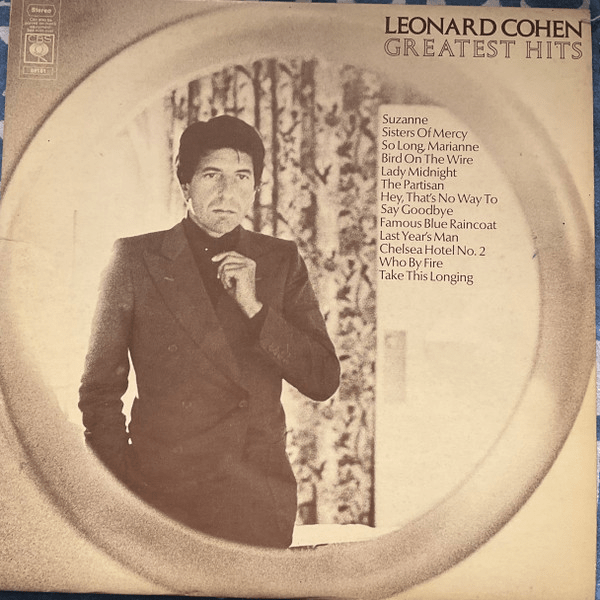
- Leonard Cohen – Greatest Hits (1975)
The hit single: Hallelujah
Peak position: 36 (21 December 2008- 27 December 2008)
Weeks on chart: 2
Bit of a swerve here, with old Lenny Cohen very much an album artist rather than a singles one – even in the USA, there was only a brief dusting of single releases from him. His most recognisable song would surely be the one featured here, but mainly in guises where it’s performed by others. including John Cale, Rufus Wainwright and k.d. lang – but mainly X Factor winner Alexandra Burke and Jeff Buckley.
With the song picked by the programme to be performed by finalists JLS and Burke, it was rush-released in December 2008 in time to seize the Christmas number one slot. Fans of the version recorded by the late Jeff Buckley weren’t keen on this idea (it didn’t help that Burke herself had initially complained that the song “didn’t do anything” for her), and a campaign has launched to get his version to number one instead.
Ultimately, Alexandra Burke’s version reached the top spot, becoming the best-selling single of 2008. Buckley’s version made number two in the chart. Meanwhile, a smaller campaign to get Cohen’s original version into the chart resulted in it taking a place at number 36. All in all, it meant that that UK Top 40 on 21 December 2008 had three versions of the exact same song in it – one that wasn’t even about Christmas.
It’s also worth noting that Hallelujah didn’t feature on this Greatest Hits album for Cohen’s, mainly (okay, entirely) because he was yet to write it.
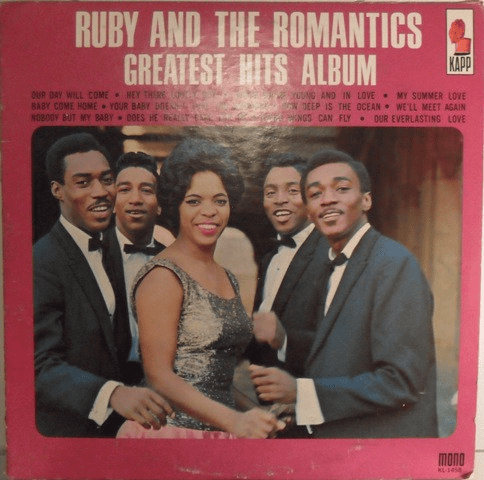
- Ruby and the Romantics – Greatest Hits Album (1966)
The hit single: Our Day Will Come
Peak position: 38 (18 April 1963- 24 April 1963)
Weeks on chart: 6
Over in the USA, Ruby and the Romantics are well regarded, with the band being amongst the first inductees to the Rhythm and Blues Music Hall of Fame. By far their biggest hit over there was the Grammy-winning Our Day Will Come, which reached number one in the Billboard chart. Over in the UK, it’s a song that didn’t have anywhere near as big an impression, with it hovering between numbers 38 and 39 in the charts for a month.
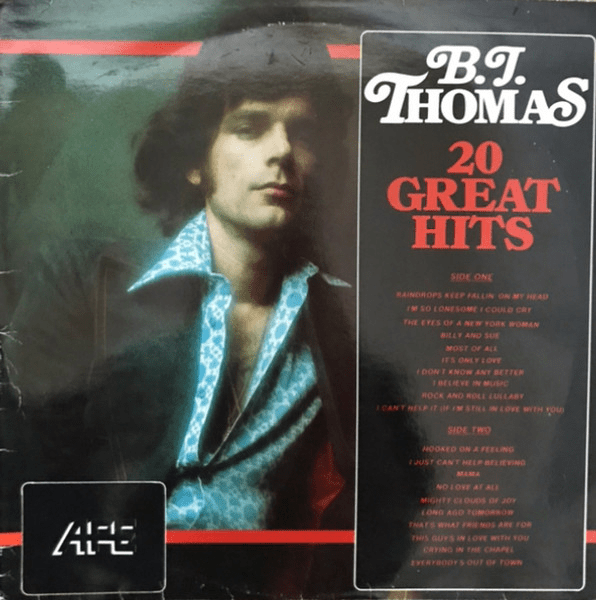
- BJ Thomas – 20 Great Hits (1981)
The hit single: Raindrops Keep Falling On My Head
Peak position: 38 (15 February 1970- 21 February 1970)
Weeks on chart: 4
Of all the artists on this list, Beej (as I’m going to call him) possibly has the longest continuing recording career, running from 1966 and debut single I’m So Lonesome I Could Cry (originally recorded by Hank Williams in 1949) all the way through to 2017’s We Are Houston, recorded with the Music Row Choir. In all that time, it was the Burt Bacharach and Hal David-penned Raindrops Keep Fallin’ on My Head that proved to be his biggest hit, helped by being used in the film Butch Cassidy and the Sundance Kid.
The song was a smash in various countries around the world, making it to the top of the charts in the USA, Canada and Norway, also picking up an Academy Award for Best Original Song in 1970. In the UK, B J Thomas‘ version only just scraped into the top forty in February 1970, when a version of the song recorded by Sacha Distel was already on its way up the charts, peaking at number 10. At the same time, a version by Bobbie Gentry was also available as a single, meaning three versions of the same song were in the charts at the same time, and it didn’t even have anything to do with The bloody X Factor.
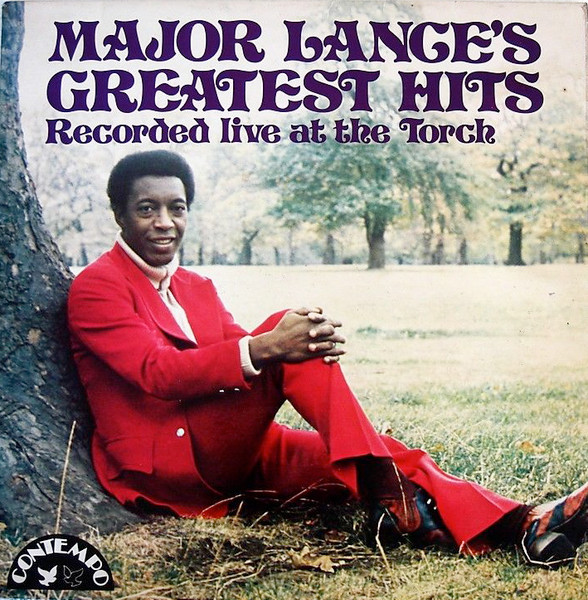
=6. Major Lance – Major Lance’s Greatest Hits Recorded Live At The Torch (1973)
The hit single: Um, Um, Um, Um, Um, Um
Peak position: 40 (20 February 1964- 26 February 1964)
Weeks on chart: 2
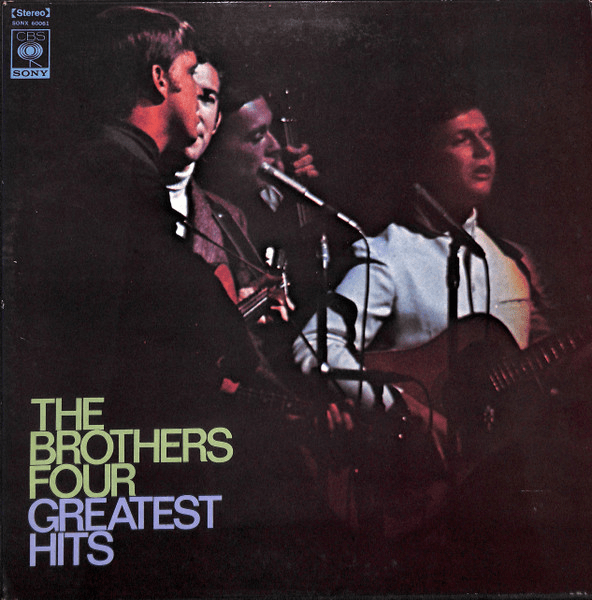
=6. The Brothers Four – Greatest Hits (1966)
The hit single: Greenfields
Peak position: 40 (7 July 1960- 13 July 1960)
Weeks on chart: 2
Really, into the reeds of the Top Forty now and two acts are tied in sixth place. Firstly, there’s Major Lance, who scored a hit with the first version to be released of Curtis Mayfield‘s. Um, Um, Um, Um, Um, Um (his other song titles are more nuanced) hit number five in the Billboard chart, while Lance’s records were frequently in the US R&B Charts between 1963 and 1975. It’s track four on his original Greatest Hits album.
The Brothers Four had a huge hit on their eight hands with Greenfields, which wasn’t bad considering it was their debut single. It made the top two in the USA and Canada, and hit the top spot in Norway. In the UK, the Brothers Four version entered the charts on the same week as a version of the same song by The Beverley Sisters. While the latter would soon reach number 29, the Brothers’ version wouldn’t get any higher than 40. Sisters one, Brothers nil. Unsurprisingly, it’s side one and track one on their original 1966 Greatest Hits album.
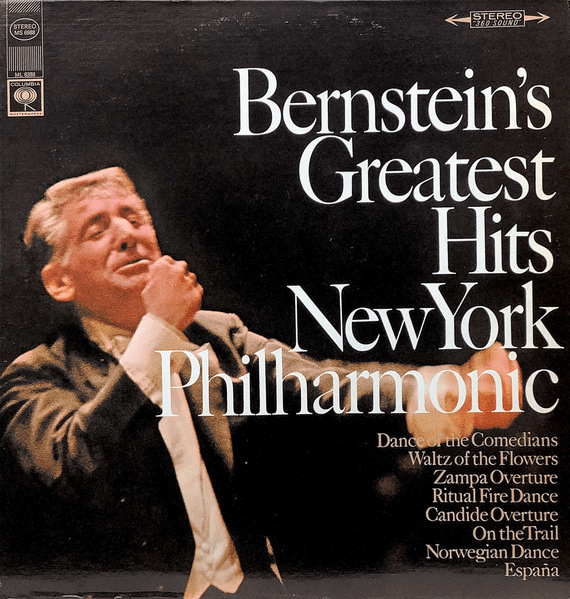
- Leonard Bernstein – Bernstein’s Greatest Hits (1972)
The hit single: America – World Cup Theme 1994
Peak position: 44 (26 June 1994- 2 July 1994)
Weeks on chart: 4
A bit of an outlier here, as Leonard Bernstein is a composer and a conductor, usually associated with the New York Philharmonic Orchestra. But, he’s credited on Discogs for this compilation, and on the Official Charts Company website for this single, and rules are rules. Even when I’ve made them up.
Despite a career stretching back a long way – his earliest credited album appearance is dated as 1940 – it would be 1994 when he made his sole credited appearance in the UK singles chart. BBC Sport had scored a major hit single with their chosen theme for their coverage of the 1990 World Cup, Luciano Pavarotti‘s recording of Nessum Dorma from the opera Turandot. That spent three weeks at number two in the UK Charts as England roared to the semi-finals and Gazza hacked his way to infamy.
With the 1994 World Cup taking place in the USA, BBC Sport tried to repeat that achievement by using Bernstein’s America, from West Side Story. The magic couldn’t be bottled twice, and the song – not helped by the tournament largely taking place late at night in British Summer Time and without any involvement by the home nations – failed to make the Top Forty.
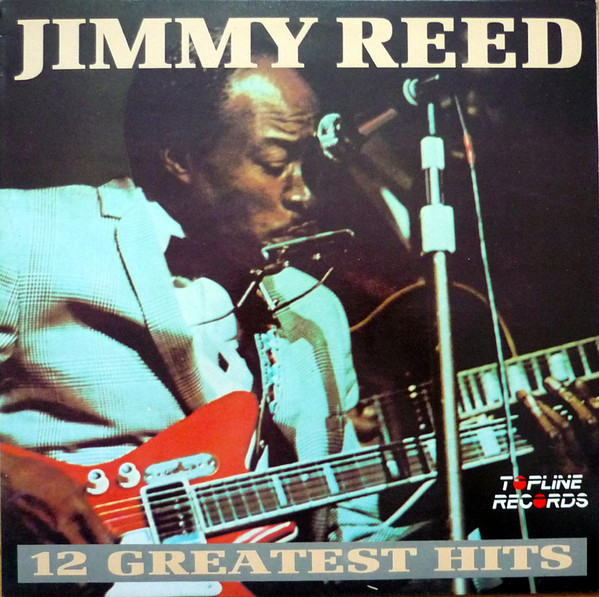
- Jimmy Reed – 12 Greatest Hits (1987)
The hit single: Shame Shame Shame
Peak position: 45 (17 September 1964- 23 September 1964)
Weeks on chart: 2
Electric bluesman Jimmy Reed was as influential as they come during his imperial phase, with Elvis Presley, Hank Williams Jr, Bob Dylan, Neil Young and the Rolling Stones all going on to record versions of his songs. Reed himself was a fixture on the US R&B Chart from 1955 through 1961, but in the UK his sole chart placing wouldn’t come until 1964, entering at number 47 on 10 September, rising to 45 the following week, then falling out of the chart completely. Indeed, Shame Shame Shame.
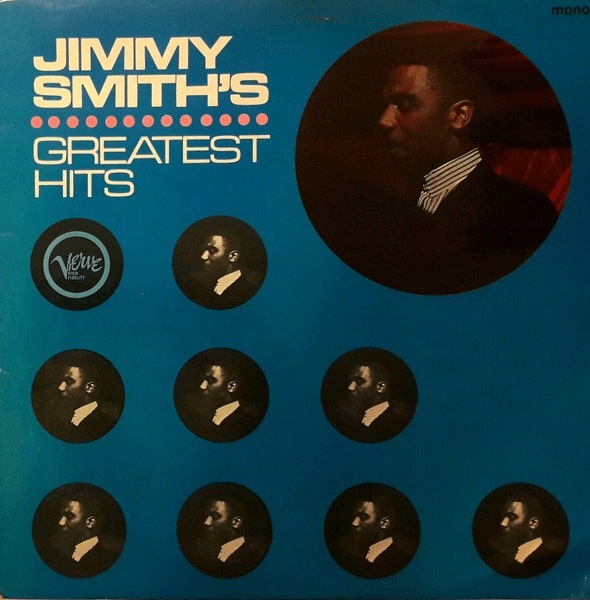
- Jimmy Smith – Jimmy Smith’s Greatest Hits (1966)
The hit single: Got My Mojo Working
Peak position: 48 (28 April 1966- 4 May 1966)
Weeks on chart: 3
Influential jazz organist Jimmy Smith takes third place on the list. Despite much of his work being alongside other artists such as Quincy Jones, Joey DeFrancesco and King Curtis, plus playing Hammond organ on Michael Jackson’s Bad, he generated an impressive amount of work under his own name. Much of his work was solely released in the US, but Verve Records did release a selection of his tracks as singles in the UK between 1963 and 1967. Of these, only Got My Mojo Working made it into the chart listings, with a high of number 58.
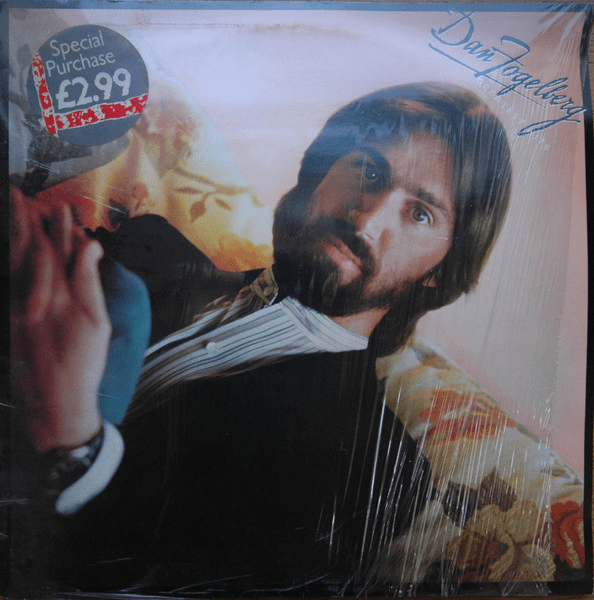
- Dan Fogelberg – Greatest Hits (1982)
The hit single: Longer
Peak position: 59 (16 March 1980- 22 March 1980)
Weeks on chart: 4
Rocking a look that you’d need to be a songwriter to really get away with (and even then, only within a limited timeframe) on the front cover, Dan Fogelberg was best known in the USA for soft rock hits Same Old Lang Syne (1980), Leader of the Band (1981), Run for the Roses (1982) and the entry here, Longer (1979 US, 1980 UK). Musically, a quintuple threat (vocals, guitar, bass, piano, keyboards), he enjoyed a good run of Billboard hits from 1975’s Part of the Plan (no 31) through to 1984’s The Language of Love (no 13), but in the UK a few weeks in the lower reaches of the Top 75 would be as good as it got.
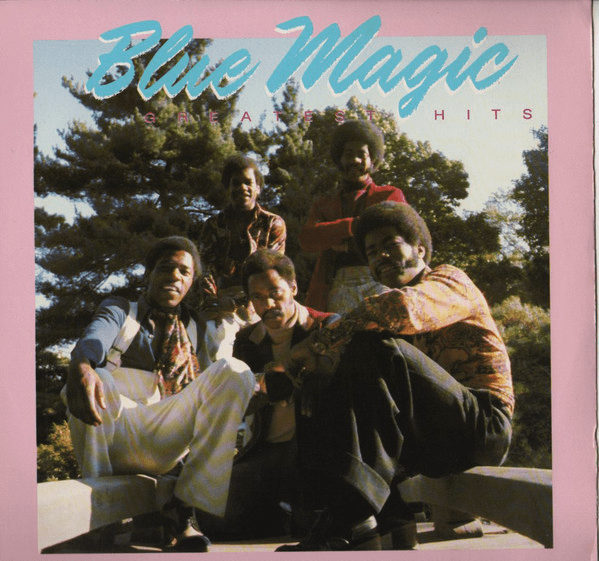
- Blue Magic – Blue Magic’s Greatest Hits (1986)
The hit single: Romeo and Juliet
Peak position: 89 (2 April 1989- 8 April 1989)
Weeks on chart: 2
Here we go – officially the Greatest Hits album that was issued in the UK with the most tenuous definition of the word ‘Hit’ possible. And, just to make the link even more wafer-thin, their sole chart entry came about three years after Philadelphia soul vocal group Blue Magic issued this compilation, meaning the only single of theirs that ever made the UK charts isn’t on it. Their singles had been getting issued in the UK on Atlantic Records since 1973’s Look Me Up, but it wasn’t until Romeo and Juliet was issued by Def Jam Recordings in 1989 that they sneaked into the UK chart, courtesy of Eric Sadler and Hank Shocklee‘s Vocal Remix.
–
And there we go.
WAIT, YOU PROMISED REDNEX!
Ah, that was my little folly. While I went into this expecting to see more novelty acts trying to spin an unexpected hit into a revisionist glittering career, that wasn’t what was uncovered. But instead, we found some great songs that deserve a little more time in the spotlight.
AH, FAIR ENOUGH. BUT WHAT ABOUT REDNEX?
They didn’t even make the long list. Rednex’ Greatest Hits and Remixes was only issued in Germany. It was my little folly. There are four versions of Cotton Eye Joe on it. Four.
–
UPDATE! Here’s a Spotify playlist containing all the charting singles outlined above. Apart from Blue Magic’s Roman and Juliet, as it’s not there – their most popular song has been used instead. Enjoy!
(With thanks to Justin Bryant and Jules Gray for providing a couple of corrections to parts of this blog.)

