
(*Fingers crossed, first attempt to publish resulted in a blank post and WordPress deleting the contents of my draft. So, fingers crossed. Apologies to email subscribers who received a mostly-empty email last night.)
Who wants a bunch more information about Play School? You know you do. But first, a brief aside.
Funny thing, research.
When putting together the write-up on Play School – the most-broadcast BBC programme of all time, of course – I used a variety of sources for background. Old issues of the Radio Times, the British Newspaper Archive’s brilliant archive of The Stage and a number of books came into play, such as Phil Norman’s TV: A History in 100 Programmes, Richard Webber’s That Was the Decade That Was and Ruth Inglis’ The Window in the Corner: A Half Century of Children’s Television. As with a number of entries on the list, Paul R Jackson (no stranger to excellent books about television himself, of course) also provided some brilliant info and clarifications.
And, as with much of the list, contemporary newspaper archives were very handy for finding additional nuggets of information and insight that have rarely resurfaced since original publication. For the most part, that was from a combination of the aforementioned British Newspaper Archive and the Gale Newspaper Archive (which – PROTIP – you can access for free via libraries such as the National Library of Wales). And, in a development which was certainly going to provide some great information, a 1971 Guardian interview with Doreen Stephens, the BBC’s Head of Family Programmes at the time Play School was devised, available on researcher’s pal archive.org.

Using all of this information, I put together the much-abridged history of Play School – as with many programmes on the Top 100 (etc) list, an enjoyable experience on my part, learning a lot I didn’t previously know, and building on lots of information I already-kind-of-sort-of knew from my own childhood. It went online, lots of people read it and hopefully liked it (at least any that didn’t were gratifyingly mute about it). One such person was, as hinted at by the quote at the end of the write-up (and thanks again to Paul R Jackson for sharing the news of it with her) original Play School editor Joy Whitby.
Joy was kind enough to get in touch via email about Play School, and as it turns out, some of the details of that Guardian piece – and my Play School write-up – weren’t quite correct.
For one thing, Play School was entirely Michael Peacock’s idea, rather than just the notion of a pre-school series being his, and passed onto Doreen Stephens to do more work on. In actual fact, Joy was chosen for the Play School role – by a board chaired by Michael Peacock – before Doreen had started her role as Head of Family Programmes. While Doreen was hugely supportive to Joy during her tenure, and remained her friend through to retirement, it was also Michael who went on to commission another daily slot for the Play School team – which ultimately became Jackanory. Joy ran both programmes side by side until, again thanks to Michael’s invitation, she left to join the new London Weekend Television franchise.
That’s not to diminish Doreen Stephen’s hugely impressive time at the BBC, of course. She’d originally turned down various jobs at the BBC before finally agreeing to run Children’s Programmes – but only on the proviso the department’s name be changed to Family Programmes. After her time in that role, the powers that BBC reverted to the old department title: Children’s Programmes.
Joy added that Athene Seyler – Play School’s first ever storyteller, was considered the perfect granny figure, taking the time to reminisce about her childhood. The choice of Zia Mohyeddin as an early Play School storyteller was part of Joy’s decision to give the programme a cosmopolitan feel from the start.
Regarding Doreen Stephens’ tenure heading Family Programmes, when Joy Whitby first met her in her new office, having been told she was a dragon, Stephens welcomed Whitby with something direct and friendly along the lines of: “I didn’t appoint you and you didn’t choose me, but we must get along together…”. Which – as the pair’s long subsequent history of collaboration proved – they evidently did.
Doreen Stephens would later leave her role at LWT in protest at Michael’s dismissal, together with other executives (including Joy Whitby) when he was ousted. This wasn’t due to any particular programme content, it being more likely that commercial pressures being cause of his failure within ITV, especially given the original LWT’s high-falutin’ notions.

As for Joy Whitby’s later series Grasshopper Island, the source of funding was amusingly different. Doreen Stephens initially had nothing to do with the series. Whitby’s secretary at LWT was at a dinner sat next to a young merchant banker, her dining neighbour sharing that there were still people like himself who wanted to finance creative people – in the manner previously seen in the days of Beethoven and Mozart. She told him about the new project, and as a result the banker swiftly got in touch, and raised a consortium who funded Grasshopper Island. Most of the series was shot in Corsica where cast member Frank Muir had a holiday home, Muir being another ex-BBC/LWT executive who had stood by Michael Peacock.
Joy Whitby asked Doreen to join the project as general manager, and as a result she ended up not only taking on the task of sorting out contracts and the like, but also in cooking meals for everyone. As Joy points out, “she was a hands-on friend – without any need to pull rank. Much respected and much loved by us all.”
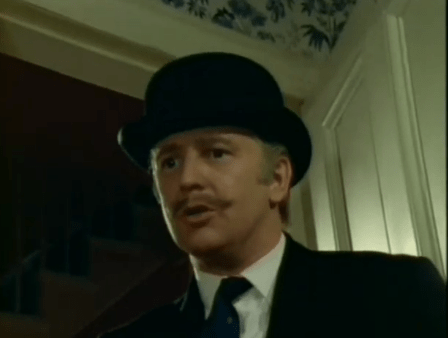
Now, as splendid as screencaps of Tim Brooke-Taylor being frumpy are, how about an extra Play School lists (and if you don’t like lists, what are you doing here?), plus: some camera scripts and a gallery of Play School photos, each courtesy of Paul R Jackson?
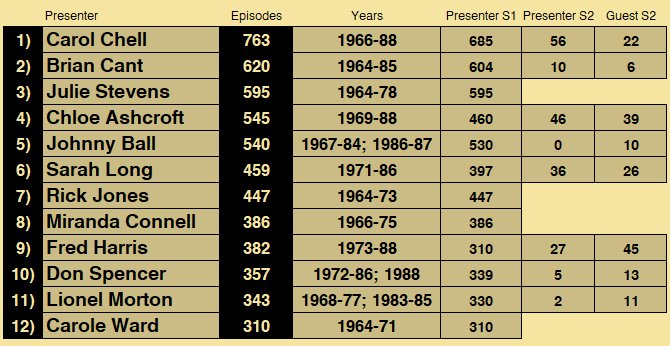
Firstly, here’s a list of PLAY SCHOOL PRESENTERS WITH THE GREATEST NUMBER OF APPEARANCES. Broken down into pre- and post-relaunch totals for good measure:
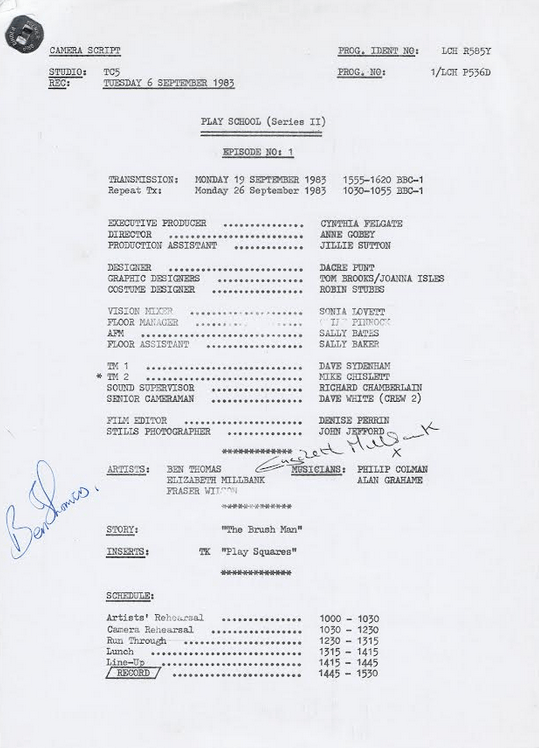
How about some scans? Here’s the front page of the script from Play School’s first episode of Series Two (Recording Tue 6 Sep 1983, TX Mon 19 Sep 1983):
…and the front page of the camera script of the final episode of Series Two (and the series as a whole). Recording Wed 3 Mar 1988, TX Fri 11 Mar 1988

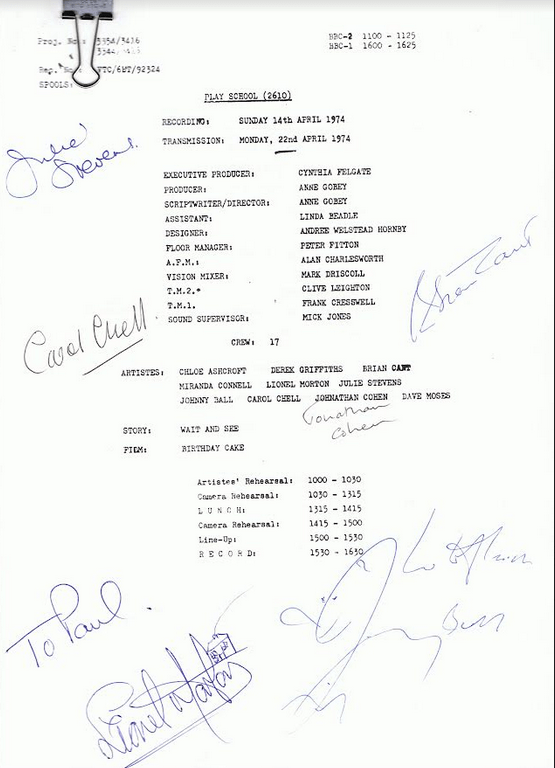
If you prefer Old School Play School, here’s one from the tenth anniversary special (Recording Sun 14 Apr 1974, TX Mon 22 Apr 1974)
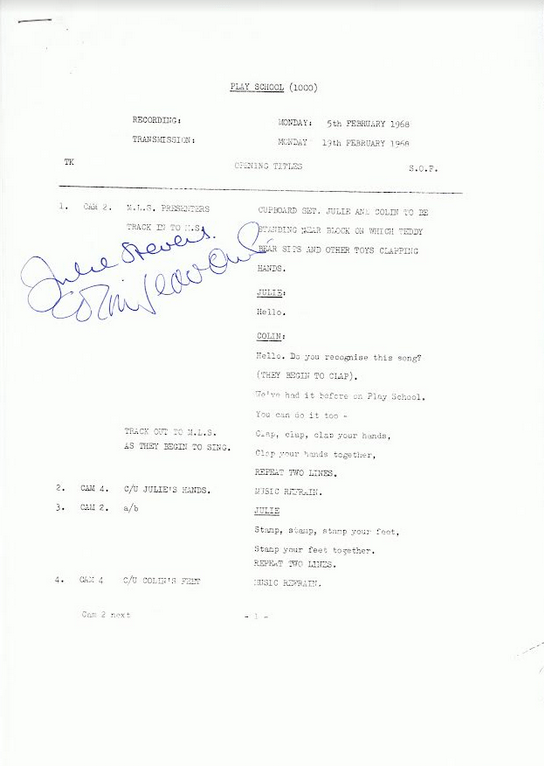
Here’s the front page of the 1000th Play School script (Recording Mon 5 Feb 1968, TX Mon 19 Feb 1968):
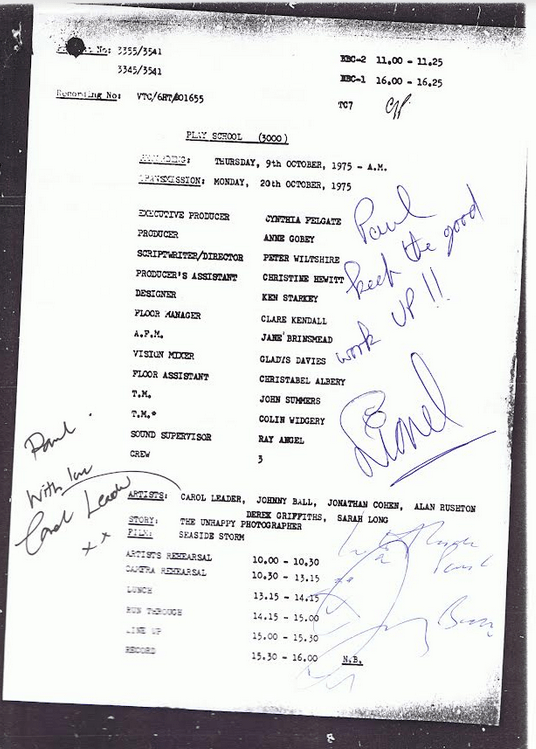
And the 300th episode (Recording Thu 9 Oct 1975, TX Mon 20 Oct 1975):
And – go on, then – the 5000th episode (Recording Mon 25 Jul 1983, TX Mon 12 Sep 1983):

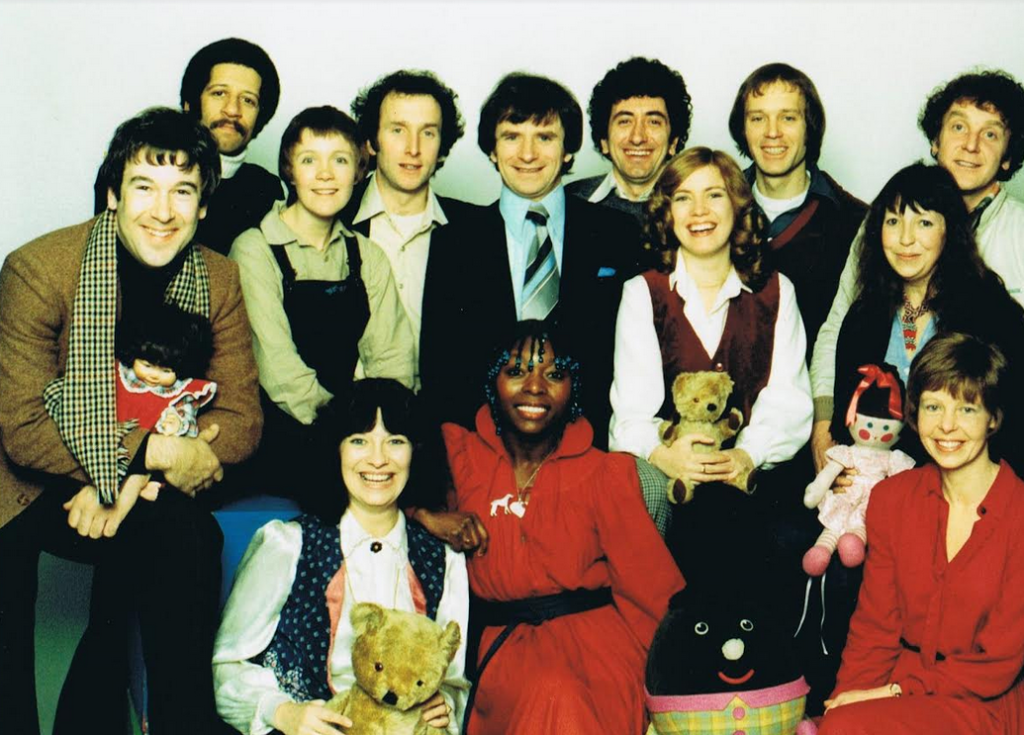
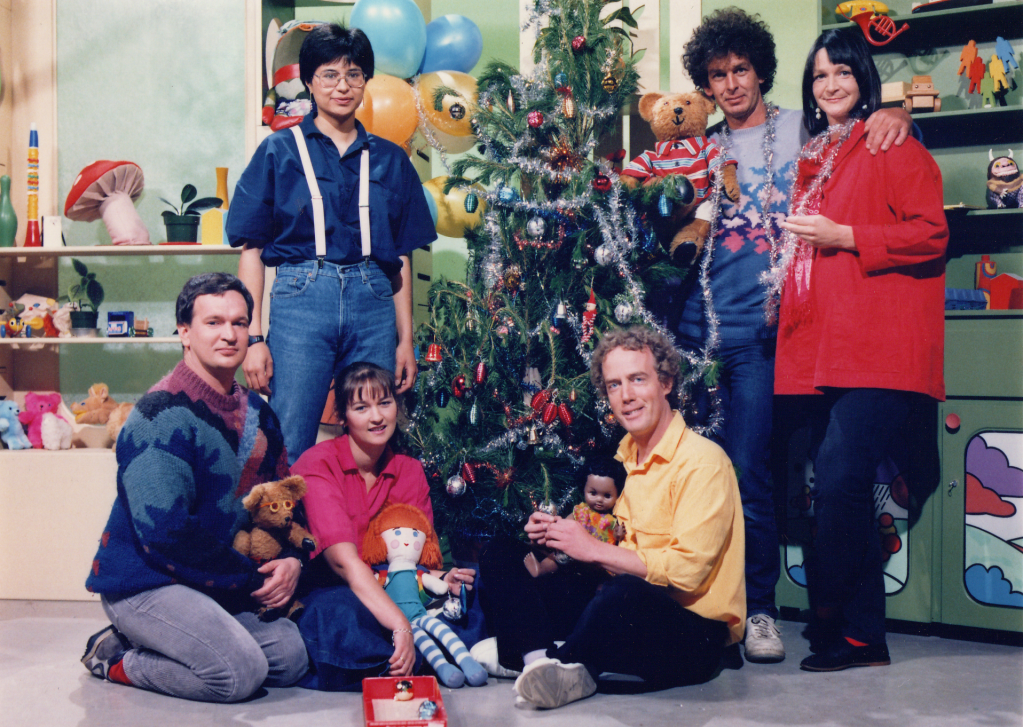
Next the photos! And I can’t think of a better introduction than this group shot from the programme’s 15th anniversary in 1979:
Here’s Australian Play School presenter Don Spencer with the programme’s longest-serving pet, Katoo.
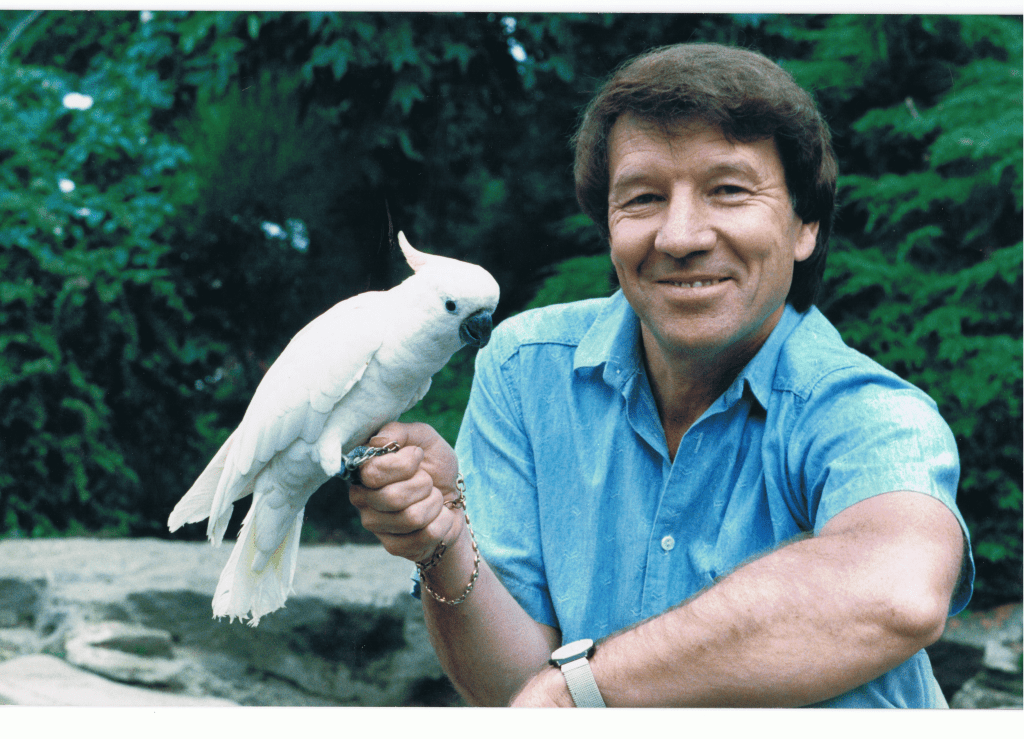
A Lesser Sulphur Crested Cockatoo hailing from Indonesia, or ‘cacatua sulphurea’ if you’re being fancy, Katoo first landed on the Play School set on Wednesday 7 September 1966, aged just one, sticking around until the series ended. Perhaps that lengthy tenure is what led to the feathery diva occasionally refusing to talk on cue, while dancing beautifully with resident pet expert Wendy Duggan… when off camera. Following the end of Play School, Katoo lived with Duggan, surviving until the ripe old age 46 before finally passing away in 2009.

As mentioned in the piece on Play School, the programme would go on to be a fixture on children’s television around the world. And, befitting the show’s inclusive nature, a number of hosts from the international versions were invited to the BBC for presenting stints on the British original.
Diane Dorgan, Australia’s first female presenter, appeared in her local version of the series between 1966 and 1969, before moving to the UK to present the BBC version between October 1969 and March 1974. The antipodes also provided the series with Don Spencer (Australian version 1968-1992), who presented the BBC version between September 1972 and February 1984, returning as a guest presenter in February 1985 and June 1986, plus in February 1988. An even longer journey was undertaken by New Zealand’s Janine Barry (Jan 1975-Dec 1977), who joined Fred Harris for one edition on 14 August 1981.
A more modest number of air miles were accrued by Play School’s continental contingent, with Miguel Vila (Spain’s La Casa Del Reloj 1971-1973, below) popping over to the UK to join Toni Arthur for a week in August 1973. Further north, Norway’s Lekestue sent Jon Skolmen (1971-1973, also below) for a week presenting the ‘School alongside Carol Chell in November 1971, and producer-writer-presenter Vibeke Saether (1971-1981) appearing alongside Don Spencer on 20 December 1976.
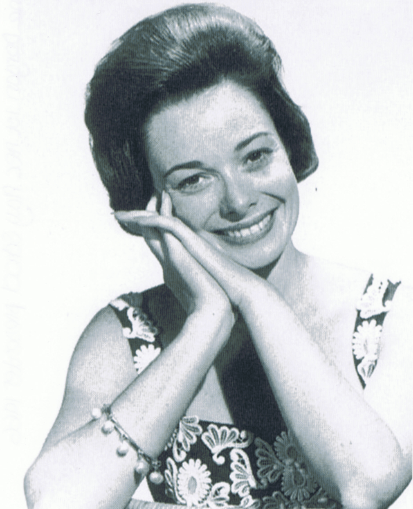
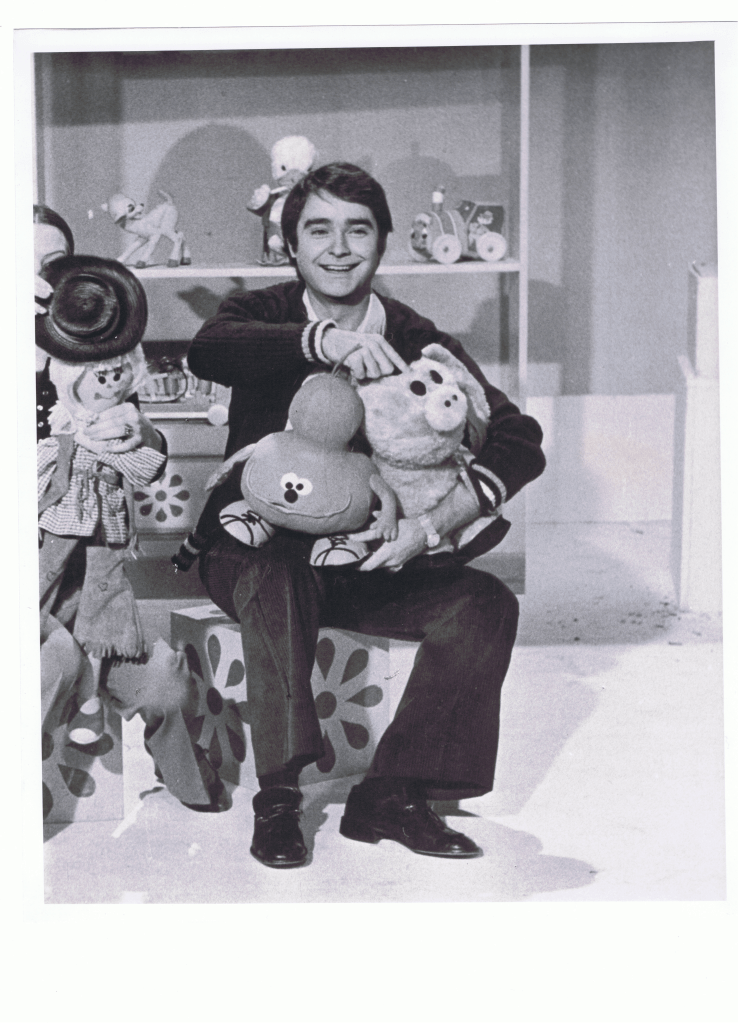
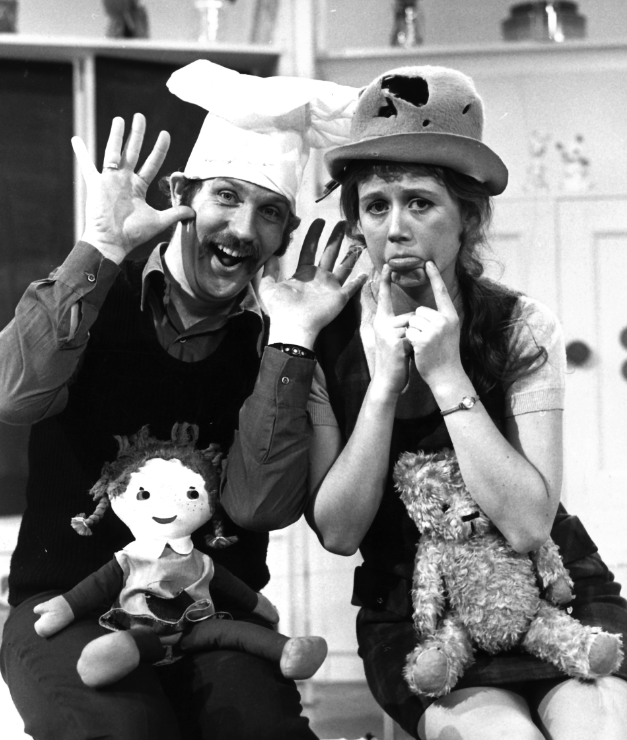
As a bonus, here’s a lovely shot of the New Zealand Play School team, from the Ross Johnston collection:
And how about one of globetrotting Man-About-‘School Don Spencer with Play School Australia’s not-right-at-all-to-British-eyes Humpty from 1983?

As if to prove that Australians are perfectly fine with their wrong-looking Humpty, here he is at the 2016 Logie Awards with several other Play School Australia alumni:

Not that Humpty always gets the limelight, of course. Here’s a photo taken to mark the 45th anniversary of the Australian version, where then-current and former presenters came together to reunite with the team of toys. Perhaps Humpty was feeling a little camera-shy that day.

Finally, to nicely tie everything in with the programme that actually topped the list, here are a pairing of presenters from 1966 – Kerry Francis (top, 20 episodes) and… Ramsay Street’s very own Anne Haddy (bottom left, 44 episodes).

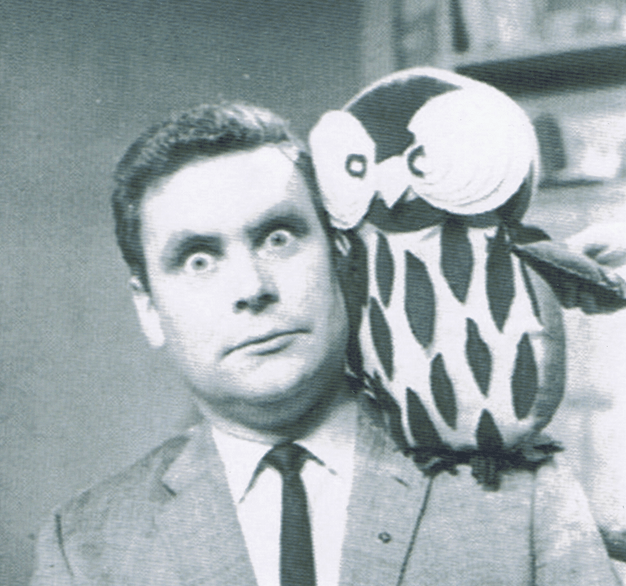
Helen Daniels wasn’t the only Erinsborough regular to appear on the series, either. Here’s Tom “Lou Carpenter” Oliver in 1969. (Tom’s on the left.)
As ever, many thanks to Paul for all the photos and information during the rundown. As mentioned previously, if you want to school yourself to an even great degree in the history of Play School, his Celebration of Play School books one and two are essential texts.
Here he is at ABC Studios along with presenters Alex Papps (2006-) and Rachael Coopes (2011-), from his visit down under in January 2012. Cheers, Paul!

See you again next time with another BBC Broadcasting History InfoBurst!
 BrokenTV
5 responses to “Play School: A Look Through the Redux Window (Take Two*)”
Great stuff. Humpties of the world unite.
LikeLike
Great write up and the same for the whole of the 100, thanks Mark.
While on the subject of Humpty, I have a dim fever-dream recollection as a kid, of seeing Fred Harris cut him in half to reveal that he was made of watermelon and being shocked as Fred took a bite out of him! This obviously wasn’t part of a normal episode of Play School and I’ve never seen it since – could it have been made for a BBC Xmas tape clip that made it into something like ‘It’ll be Alright on the Night’? It would have seen it no later than say, ’85 or ’86 I think. Theres an outtake of Fred (think it was him) getting wound up by the dolls not sitting up properly on the floor, but what I saw was a Quentin Smirhes level of weirdness. Maybe I did just imagine it!
LikeLike
Thanks Jamie, glad you enjoyed it! I’ve no recollection of Fred Harris cutting poor Humpty in half and chowing down on his innards (though if I had seen it as a kid, I suspect that memory would be locked in my subconscious where it can’t do any harm), so maybe it does belong to a Christmas tape, or perhaps just a fever dream. I definitely do recall seeing the marvellous Fred Harris faux-flounce (“How can I be expected to work with these AMATEURS?”) on Auntie’s Bloomers or suchlike. It was good to see Harris retained his comedy chops from End of Part One.
LikeLike
There’s only one true Humpty. Permission, please, to rename the imitator to Numpty.
LikeLiked by 1 person
I remember the Australian dolls appearing on UK Play School, or have I been lying to myself for 50 years?
LikeLike